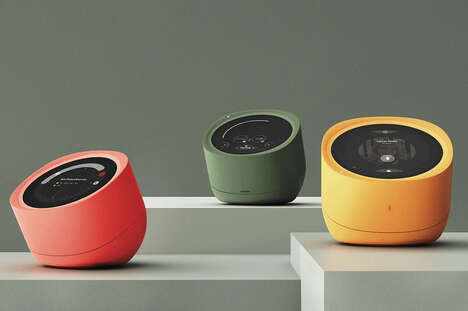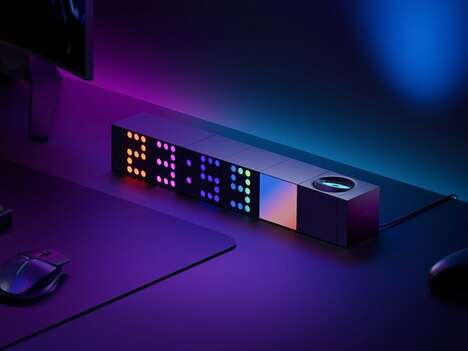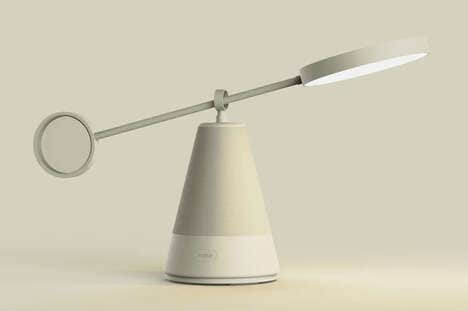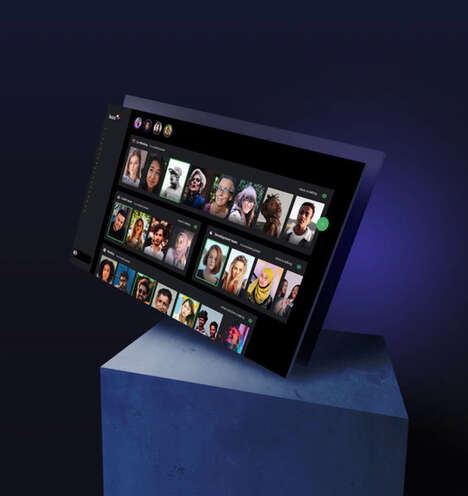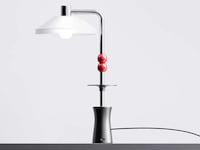
Communication isn't everybody's strong suit, so the LightSync by Philip Gordon may offer coworkers the opportunity to interact with each other on a more intuitive level.
This simple object is essentially a communal mood indicator designed to connect people working on the same project from different places. Whether your team members' cubicles are spread out, or you're all working from completely separate office buildings, the temper-telling light will surely keep everyone connected.
Sending faxes, emails, texts, leaving voicemail messages and even speaking over the phone can be time-consuming and often unnecessary. The LightSync by Philip Gordon encourages you to adjust your lamp to the color that represents your sentiments, and the feeling is broadcasted to other employees who will learn that all is well or perhaps that problem-solving is necessary.
Key Themes Behind This Trend
- Intuitive Communication Tools
- The LightSync offers an example of an intuitive communication tool that allows coworkers to interact on a more intuitive level.
- Remote Collaboration Solutions
- The LightSync enables remote teams to stay connected and share their sentiments even when working from different locations.
- Emotion-driven Workplace Technology
- The LightSync represents a trend of workplace technology that incorporates emotions and mood indicators for enhanced communication and collaboration.
Where This Applies
- Office Supplies and Equipment
- The office supplies and equipment industry has opportunities to develop and market innovative communication tools like the LightSync.
- Technology and Software
- The technology and software industry can explore the development of remote collaboration solutions that enhance communication and connection for distributed teams.
- Human Resources and Employee Engagement
- The human resources and employee engagement industry can leverage emotion-driven workplace technology, like the LightSync, to enhance employee communication and overall engagement.