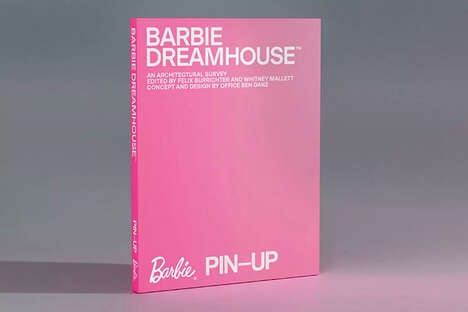
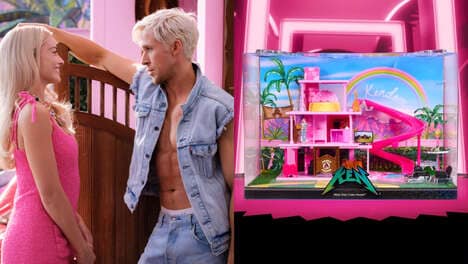
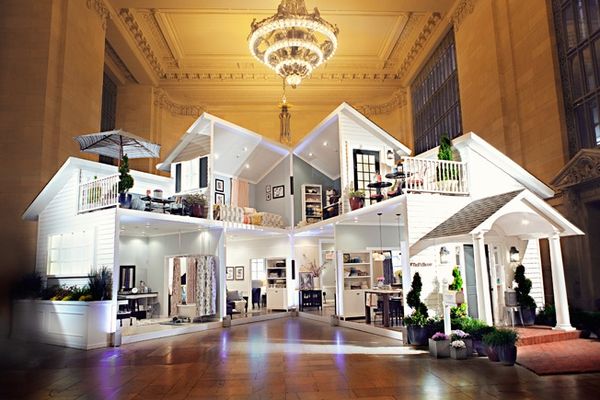
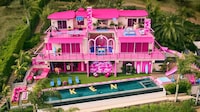
Berlin's girliest new tourist attraction is a life-sized Barbie Dream House that lets you be live like Barbie for the day. With an entrance fee of 12 euros, you can bake cupcakes and beautify yourself Barbie-style; with an extra 10 to 15 euros, you can even become a Barbie house pop star or supermodel.
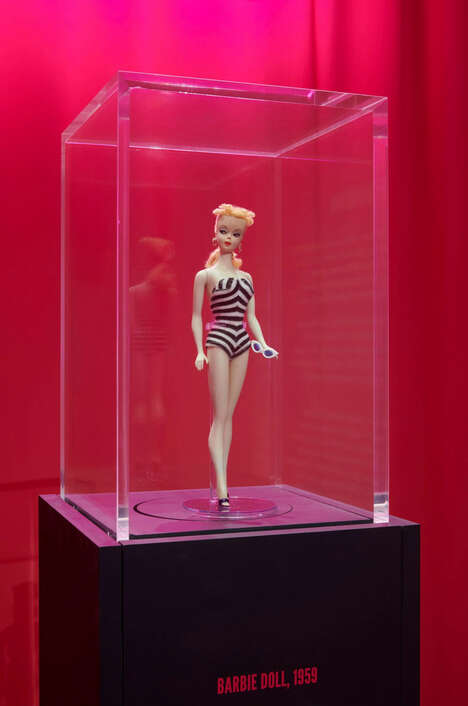
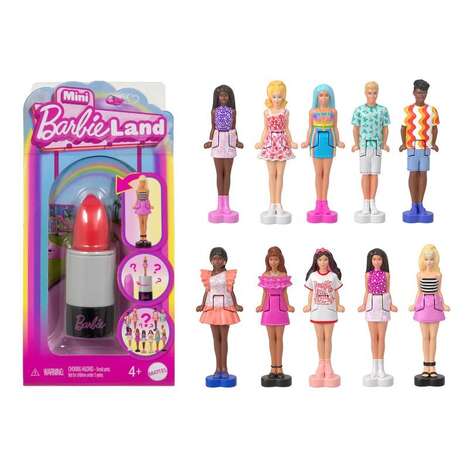
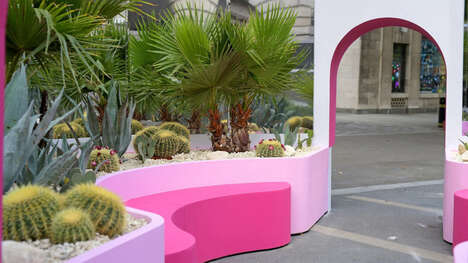
The house is decorated in every shade of pink and stretches over 1,400 square meters of land. The house showcases Barbie-esque furniture, a huge collection of Barbies, as well as interactive digital components that virtually dress you in Barbie's clothes.
Mattel Inc. has seen a lot of protesting regarding the house; it has been accused of wrongly representing beauty and feminism. Regardless, the Barbie dream house will be touring around other European countries at the end of summer.
What's Driving This Trend
- Immersive Experiences
- Opportunity for businesses to create immersive experiences that allow customers to live out their fantasies and engage with brands in a unique way.
- Celebrity-themed Attractions
- The rise of celebrity-themed attractions opens up opportunities for businesses to capitalize on pop culture, offering fans an opportunity to engage with their favorite icons.
- Interactive Digital Components
- Incorporating interactive digital components in attractions and experiences can enhance customer engagement and provide a personalized and interactive experience.
Who This Affects Most
- Entertainment
- The entertainment industry has the potential to create interactive experiences and themed attractions that resonate with customers and offer a unique and memorable experience.
- Fashion
- Fashion brands can collaborate with themed attractions to showcase their products and create immersive experiences that merge fashion and entertainment.
- Toy Manufacturing
- Toy manufacturers like Mattel Inc. can explore innovative ways to incorporate their brands into experiential marketing campaigns, creating real-life extensions of their products and driving consumer engagement.