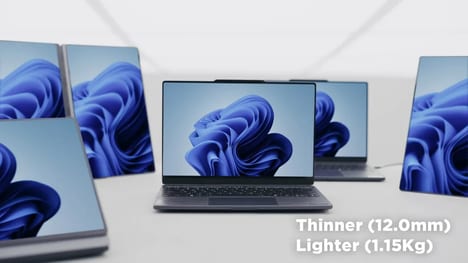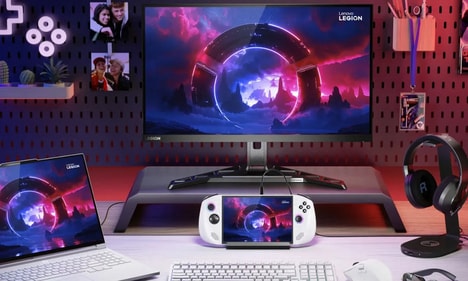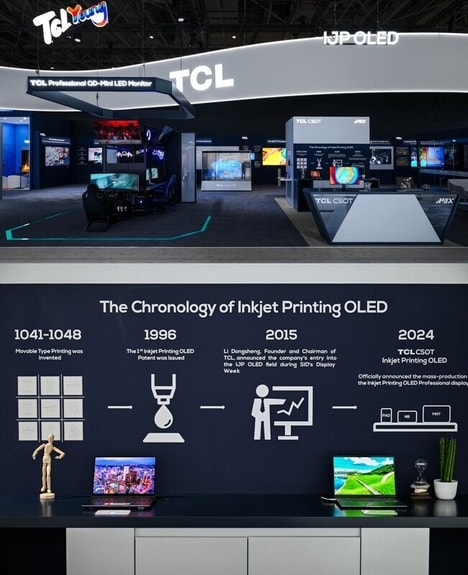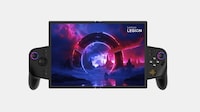
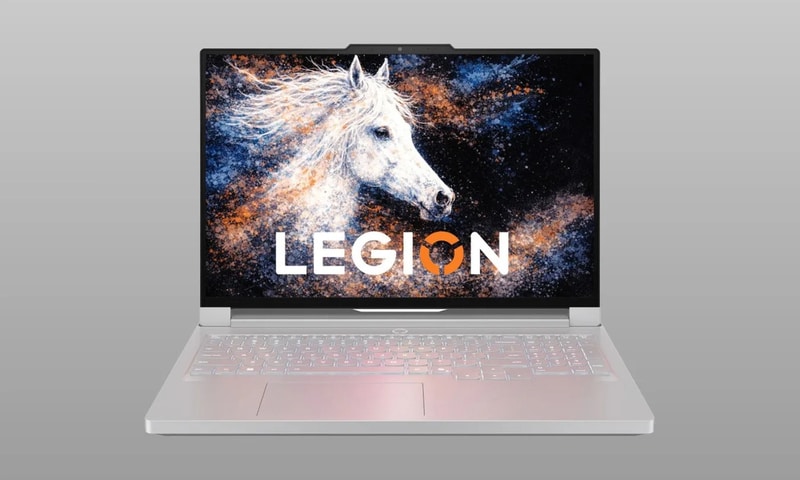
The Lenovo Legion R9000P laptop is a new piece of computing hardware that leverages TCL's inkjet-printed OLED technology to maximize quality and efficiency, while also keeping manufacturing costs modest. The 16-inch laptop is equipped with a panel from TCL CSOT that has achieved using the inkjet-style manufacturing process that's printed rather than via traditional OLED manufacturing methods. The panel boasts a 240Hz refresh rate with 99% coverage for the DCI-P3 color gamut, while the standard RGB strip layout achieves crisper images and sharper text.
The Lenovo Legion R9000P laptop will have further specs released in the near-future but identifies how we could see brands shifting more readily to more cost-effective processes, especially in the face of soaring components costs as of late.
Image Credit: Lenovo
Why This Trend Is Growing
- Printed OLED Displays
- Inkjet-style panel production brings premium color, sharpness and refresh rates into lower-cost manufacturing models for high-performance devices.
- Cost-efficient Gaming Hardware
- Rising component prices create space for laptops that maintain enthusiast-grade visual performance while reducing production complexity.
- High-refresh Productivity Screens
- Advanced 240Hz OLED panels with crisp RGB layouts blur the line between gaming, creative work and everyday professional computing.
Industries Being Reshaped
- Consumer Electronics
- Display manufacturing breakthroughs support more affordable premium laptops, monitors and portable devices with flagship visual quality.
- Gaming Hardware
- Performance-focused systems gain differentiation through vivid OLED visuals and fast refresh rates without relying solely on processor upgrades.
- Display Manufacturing
- Printed OLED processes reshape panel production economics by reducing dependence on conventional fabrication methods and expensive materials.