Lenovo has increased prices across its PC, laptop, and custom device portfolio due to sustained RAM shortages and rising memory costs. Reporting indicates that memory manufacturers are prioritizing high bandwidth memory for AI servers and data centers, which reduces the supply of standard DRAM and NAND used in consumer and enterprise systems. This shift has created volatility in component availability and pricing, prompting Lenovo to adjust hardware costs to protect margins. The company had previously stockpiled memory, but rising contract prices and constrained supply have made continued absorption of costs difficult. Analysts note that demand for AI capable systems and a recent surge in PC purchases ahead of anticipated price increases have added further pressure to the market.
The pricing changes affect desktops, laptops, and servers, with guidance indicating that orders placed before Lenovo’s internal deadlines may still be subject to higher pricing if shipment dates extend into later periods. Industry analysis shows that memory constraints are expected to continue through 2026, contributing to fewer discounts, tighter procurement cycles, and potential delays in hardware availability. Broader supply chain dynamics, including increased wafer allocation toward AI infrastructure, suggest that elevated RAM and storage costs may persist. Lenovo’s adjustments reflect a wider trend across PC manufacturers as component scarcity reshapes hardware economics and influences purchasing strategies for both consumers and enterprise buyers.
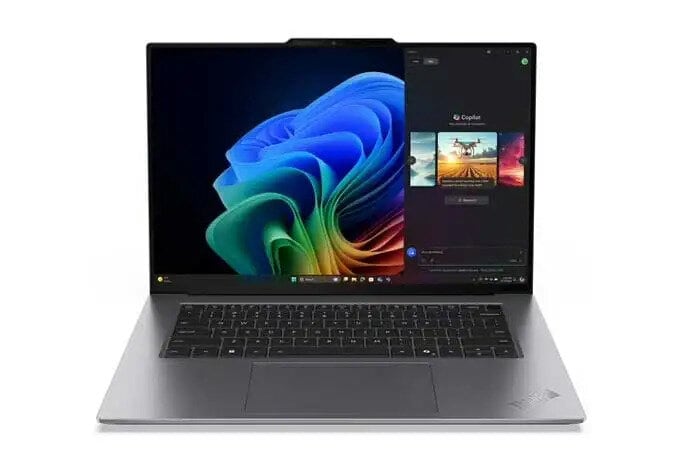
Image Credit: Lenovo
Key Themes Behind This Trend
- AI-driven Memory Scarcity
- Growing demand for high bandwidth memory in AI infrastructure is reshaping component allocation and creating openings for alternative memory architectures, smarter forecasting tools, and diversified sourcing models.
- Dynamic Hardware Pricing
- Volatile RAM and NAND costs are making fixed device pricing less reliable, with potential for adaptive procurement platforms and contract models that reflect real-time component market conditions.
- Preemptive Device Purchasing
- Enterprise and consumer buyers are accelerating PC purchases ahead of anticipated increases, signaling room for predictive demand intelligence and inventory planning solutions tied to component availability.
Where This Applies
- Personal Computing
- PC and laptop manufacturers face margin pressure from constrained memory supply, creating opportunities for modular designs, lower-memory configurations, and differentiated performance tiers.
- Semiconductors
- Memory producers are shifting wafer capacity toward AI servers and data centers, intensifying the need for production flexibility, advanced DRAM innovation, and resilient supply agreements.
- Enterprise Procurement
- Hardware buyers are navigating fewer discounts and uncertain shipment pricing, highlighting potential for procurement automation, supplier risk analytics, and cost-adjusted refresh planning.