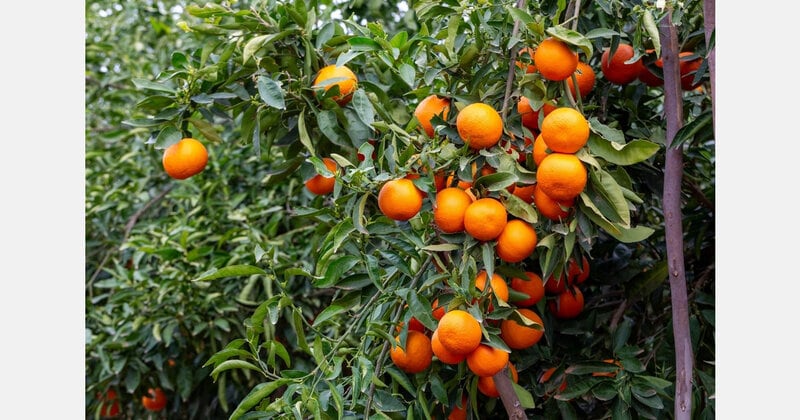
Les Domaines' SweetCott is a new mandarin variety now protected in Europe until 2056. Positioned as a late easy-peeler, it adds another option beside Nadorcott and stretches the mandarin season.
The fruit is described as larger and later-maturing, with a different taste profile and a balanced sugar-acid ratio. It is also virtually seedless, even with manual self-pollination and cross-pollination. SweetCott can reach 16° Brix and up to 60% juice, while also holding well on the tree.
That mix makes the variety feel tuned for premium produce aisles and long-haul distribution. Shelf life, cold-room storage, and transport tolerance matter just as much as sweetness here, which is why protected citrus breeding is leaning hard into both flavor and logistics.
Image Credit: Les Domaines
What's Driving This Trend
- Protected Citrus Breeding
- Intellectual property-backed fruit varieties create differentiated portfolios where growers and retailers can compete through exclusivity, consistency, and extended commercialization windows.
- Late-season Easy-peelers
- Season-stretching mandarins open premium produce opportunities by filling supply gaps when conventional citrus availability begins to decline.
- Logistics-optimized Fruit
- Breeding for shelf life, cold storage, and transport durability reshapes fresh produce around global distribution needs without sacrificing taste quality.
Who This Affects Most
- Fresh Produce
- Premium citrus varieties with stronger flavor, seedlessness, and handling performance support higher-value merchandising in grocery produce departments.
- Agricultural Biotechnology
- Advanced varietal development links genetics, fruit quality, and post-harvest resilience as breeders respond to retailer and exporter demands.
- Cold Chain Logistics
- Longer-lasting mandarins with improved transport tolerance increase the value of temperature-controlled storage and distribution networks for perishable goods.