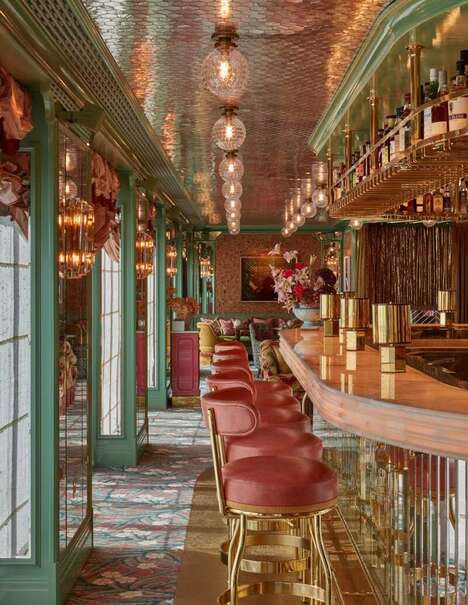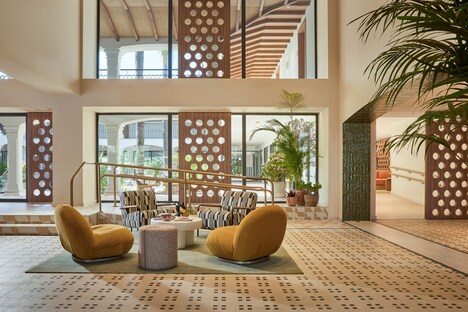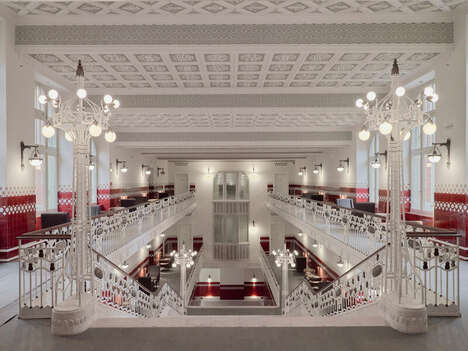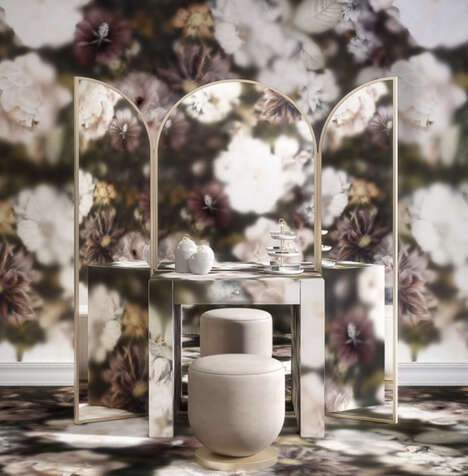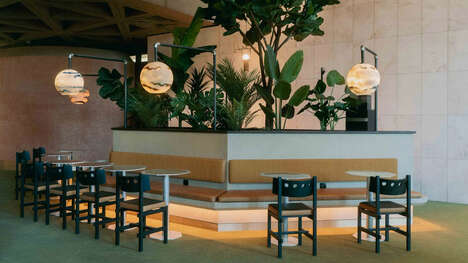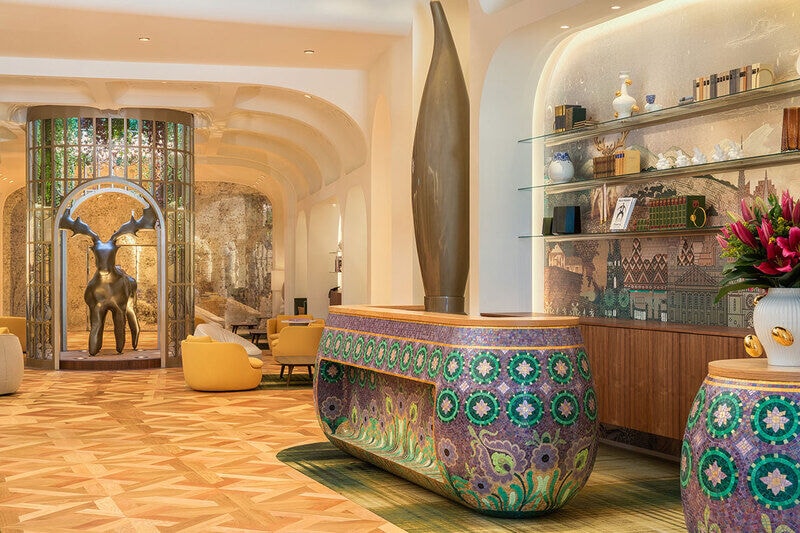
Dutch designer Marcel Wanders has designed the new Kimpton BEM hotel in Budapest, Hungary. It is a boutique hotel that features 127 premium rooms and it celebrates the heritage of the capital. The hotel is grand and overlooks the Danube River. There are design references and symbols that are inspired by Hungarian folklore.
Marcel Wonders shares a nod to his practice, noting "Sometimes, when I think of design and interiors, and I trash the ignorant, the unthoughtful, the lazy and the tired use of white walls and under-inspired minimalism, I hallucinate and dream of a world, a design, a philosophy that truly builds on love, that builds on creativity, that builds on fantasy, and when I fail to explain my plan and try to express the urgency of my vision [...] that divine is in the creation of new unseen, unexperienced, remarkable and inspiring relationships.”
Image Credit: Kimpton BEM
Why This Trend Is Growing
- Folklore-inspired Architecture
- The integration of local folklore into architectural design offers transformative opportunities for creating immersive cultural experiences in hospitality.
- Cultural Heritage Tourism
- There's a growing demand for hotels that offer immersive experiences reflecting the rich history and traditions of local regions.
- Fantasy-driven Design Aesthetics
- Exploring more imaginative and narrative-driven design can challenge conventional aesthetic norms, inviting guests into dream-like environments.
Industries Being Reshaped
- Hospitality
- The hospitality industry can capitalize on storytelling-driven hotel experiences that enhance guest engagement and satisfaction.
- Interior Design
- Interior design sees disruptive innovation potential in shifting away from minimalist trends towards elaborate, folklore-inspired settings.
- Tourism
- Tourism is increasingly influenced by the desire for travel experiences anchored in authentic cultural and heritage experiences.