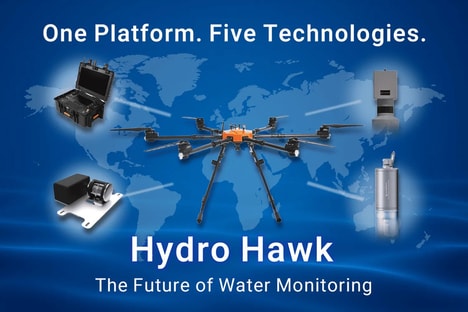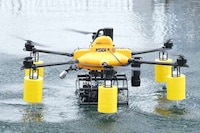
Researchers from the Vancouver Aquarium in Canada and the USA's National Oceanic and Atmospheric Administration are using aerial drones -- custom-built marine hexacopters to be specific -- to keep track of the health of endangered killer whales.
The drones track the whales from a distance of 30 meters, far enough to ensure that it doesn't disturb the whales or intrude on their behavior but just close enough to be able to collect detailed photographs -- over 30,000 photographs have already been collected over the course of 60 drone flights.
The project is still in its infancy but is already a success -- the drones have spotted killer whale pregnancies that wouldn't have been detected otherwise, and has helped identify unhealthy whales.
What Makes This Trend Stand Out
- Aerial Drones for Animal Monitoring
- Opportunity for businesses to develop specialized drones for monitoring and tracking the health of endangered animals.
- Remote Wildlife Data Collection
- Disruptive innovation opportunity to create remote data collection systems using drones for wildlife conservation and research.
- Photographic Analysis and AI
- Opportunity for AI-powered systems to analyze large amounts of photographic data collected by drones for valuable insights and research.
Sectors Adopting This
- Drone Manufacturing
- Drone manufacturers can capitalize on the growing demand for specialized drones designed for wildlife monitoring and conservation.
- Wildlife Conservation
- Wildlife conservation organizations can adopt and implement drone technology to enhance monitoring and data collection efforts.
- Artificial Intelligence
- AI companies can develop advanced algorithms and systems to analyze and interpret photographic data collected by drones for wildlife research purposes.