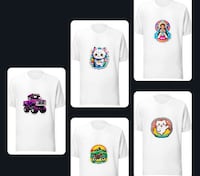
The Kickstarter T-Shirt, created by company cofounder Yancey Strickler, plays with the website's predominant iconography in a very clever way. The T-shirt, called 'this is not a Kickstarter T-shirt,' has the number of backers, the amount of money raised and the number days left for the project printed on it. The self-referential T-shirt will have the stats from its own project printed on it. If three hundred people invest and buy the t-shirt and it raises $5,000, those numbers will be printed on the tee.
This Kickstarter project is a cerebral one that is essentially producing limited edition t-shirts for anyone that wants one. Strickler envisions the self-selecting Kickstarter T-shirt group to have a unique experience when they meet each other wearing their apparel randomly in public.
What Makes This Trend Stand Out
- Self-referential Apparel
- The trend of creating self-referential clothing items that play with symbols and icons of popular websites can be leveraged by brands to engage with their online audience.
- Crowdfunding Merchandise
- The trend of creating branded merchandise through crowdfunding platforms can be a lucrative source of revenue for startups and small businesses.
- Limited Edition T-shirts
- The trend of producing limited edition t-shirts as a marketing strategy can be an effective way for businesses to create a sense of exclusivity and increase brand awareness.
Sectors Adopting This
- Fashion
- The fashion industry can use the trend of self-referential apparel to create playful, unique designs that resonate with consumers.
- Crowdfunding
- Crowdfunding platforms can leverage the trend of crowdfunding merchandise to attract more creators and provide their users with a wider variety of products.
- Marketing
- Businesses can use the trend of producing limited edition t-shirts as a marketing strategy to generate buzz and promote their brands in a cost-effective way.