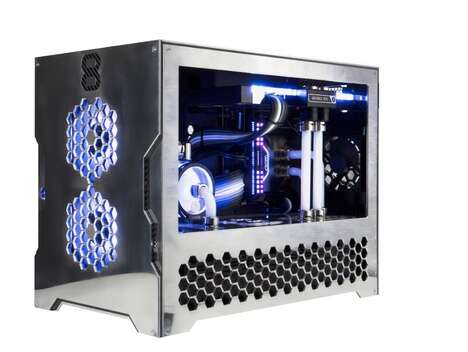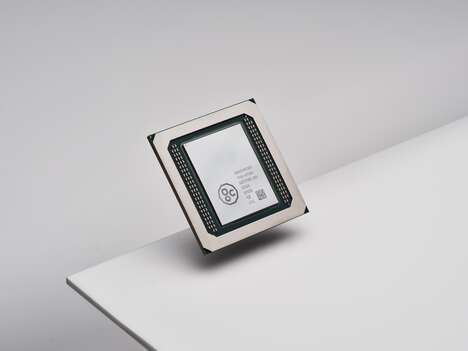
A joint endeavor atwixt the Japanese Ministry of Education and the Fujitsu Corporation led to the recent completion of the K Computer, the first computer to break the 10 petaflop barrier and the fastest piece of technology on the planet!
Over 88,000 clusters of specially designed Fujitsu processors help make the K Computer unimaginably fast. Feel like calculating the tax expenditures and spending habits of 128 million people? Yeah, I didn't think so, but luckily this supercomputer can take care of the job in minutes. But the processing power of the K doesn't come without its fees -- the massive server consoles have helped Fujitsu rack up a dizzying annual electricity bill of $9.89 million. For now, rest easy in the knowledge that, although you may not know what a petaflop is, the K Computer still can't outpace your human mind!
What's Driving This Trend
- Supercomputing Power
- Disruptive innovation opportunity: Develop more energy-efficient supercomputers to reduce electricity consumption and costs.
- Green Computing
- Disruptive innovation opportunity: Create eco-friendly and sustainable solutions for high-performance computing systems.
- Data Processing Speed
- Disruptive innovation opportunity: Invent faster data processing technologies to perform complex calculations and analysis in shorter timeframes.
Who This Affects Most
- Information Technology
- Disruptive innovation opportunity: Introduce energy-efficient and environmentally friendly solutions for data centers and supercomputing facilities.
- Renewable Energy
- Disruptive innovation opportunity: Develop renewable energy sources and technologies to power energy-intensive computing infrastructure.
- Software Development
- Disruptive innovation opportunity: Create advanced software algorithms and optimizations to maximize the efficiency of supercomputers and reduce their energy consumption.