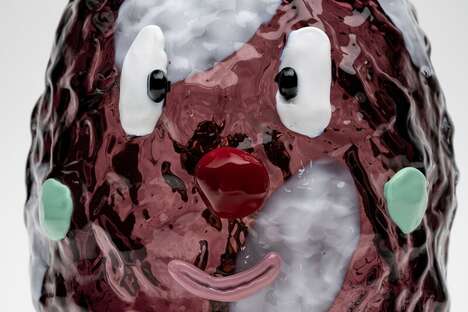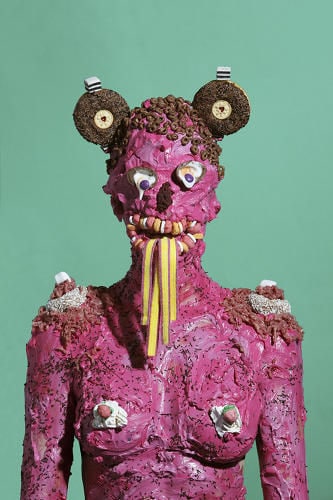
British artist James Ostrer's latest series, titled 'Wotsit All About,' is comprised of human junk food art.
Junk food was little Ostrer's first addition, a troubling consequence of his parent's divorce. Fast food and candy quickly became a crutch and coping mechanism that Ostrer relied on in times of adversity. Besides revisiting his childhood habit, Ostrer creates a literal personification of age-old adage "you are what you eat." He has turned himself (and his willing friends) into human junk food sculptures with donut ears, candy roll tongues and neon-hued cream cheese.
Of the project, Ostrer says,"I've had dreams where these caricatures are telling me how I should live. To me they look like...this sounds a bit harsh, but if someone had poured acid over Tony the Tiger. It's like they're melting."
What's Driving This Trend
- Humanized Food Art
- Creating human sculptures using junk food highlights the relationship between identity and diet.
- Food as Coping Mechanism
- Exploring the use of junk food as a way to cope with emotional challenges brings attention to mental health and well-being.
- Literal Interpretation of 'you Are What You Eat'
- Representing the literal transformation of individuals into junk food sculptures raises awareness about the impact of diet on our physical appearance.
Who This Affects Most
- Art
- Opportunities for artists to use unconventional mediums and approaches to explore social issues and make impactful statements.
- Food and Beverage
- Potential for food companies to examine the psychological and emotional connections people have with their products and develop healthier alternatives.
- Mental Health and Wellness
- Room for innovation in developing coping mechanisms and strategies that promote healthier ways of dealing with emotional challenges.