Snack bars are one of the most grab-and-go-friendly options available, easy to toss in a bag and eat without a second thought, yet many are packed with fillers, artificial sweeteners, and lengthy ingredient lists that undercut the wholesome convenience they promise—and Junebar offers a different experience with its high-fiber, whole-food bars.
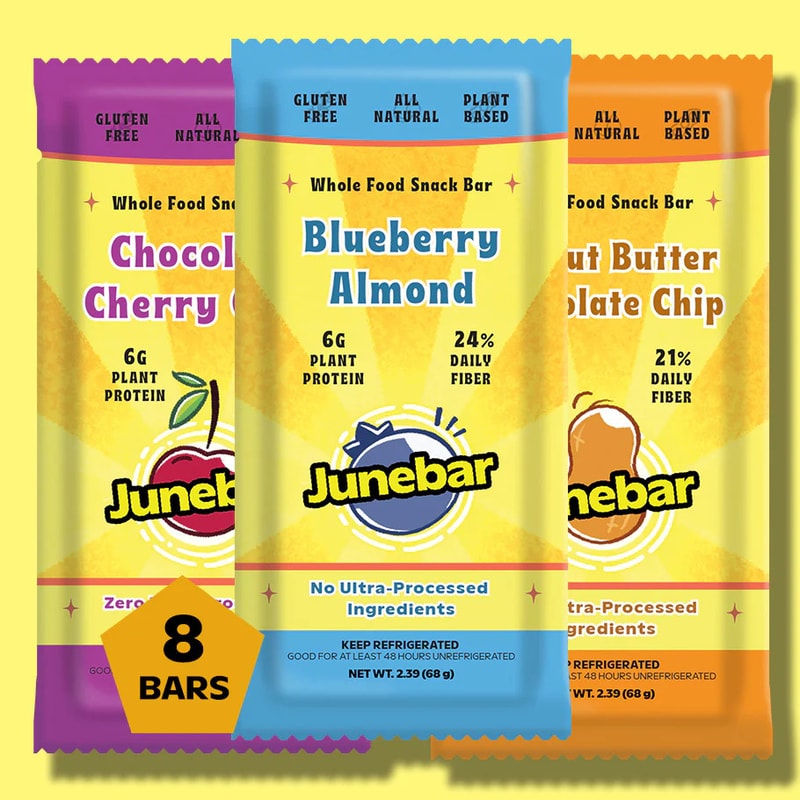
Crafted from nutrient-dense sweet potatoes, black beans and dates, these all-natural bars are gluten-free, plant-based, and free from ultra-processed ingredients. But no matter how clean the ingredients or impressive a nutritional profile may be, a product only earns its place in a snacker's routine if it actually tastes good, and Junebar serves up its whole-food snack bars in satisfying varieties like Peanut Butter Chocolate Chip, Chocolate Cherry, and Blueberry.
Key Themes Behind This Trend
- Whole-food Convenience
- Portable snacks made from recognizable ingredients signal space for brands to combine grab-and-go utility with minimally processed nutrition.
- Legume-based Snacking
- Beans and other nutrient-dense pulses are becoming versatile bases for sweeter formats, creating alternatives to protein bars built around isolates and syrups.
- Clean-label Indulgence
- Flavor-forward bars with simple ingredient lists reflect demand for products that feel both treat-like and nutritionally credible.
Where This Applies
- Snack Foods
- The category is shifting beyond empty-calorie convenience as consumers seek portable options with fiber, plant-based ingredients, and shorter labels.
- Health and Wellness
- Nutrition-focused consumers are expanding the market for everyday foods that support dietary goals without relying on synthetic additives or ultra-processed formulations.
- Plant-based Foods
- Sweet potatoes, black beans, and dates illustrate how whole plants can anchor mainstream snack products with differentiated texture, taste, and nutritional positioning.