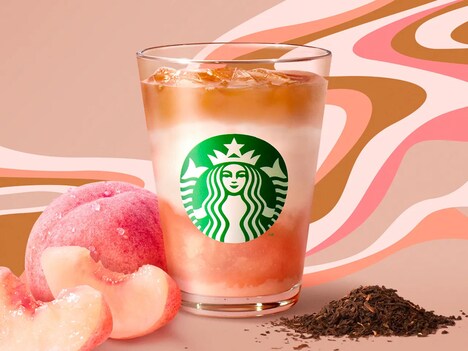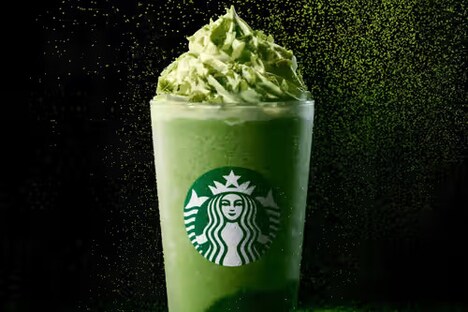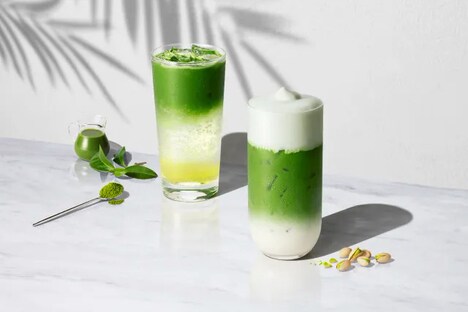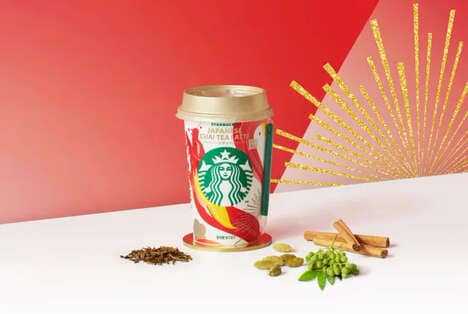
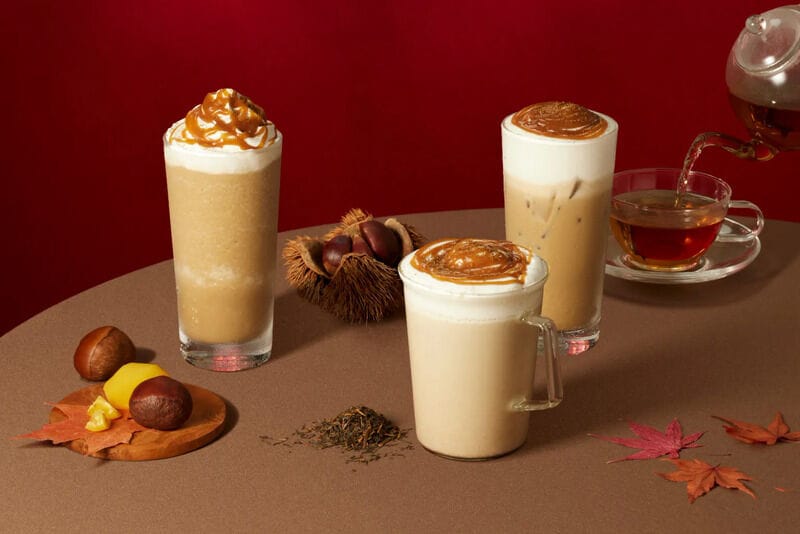
Starbucks Japan is ushering in the fall season with three limited-edition drinks, including the cravable Japanese Black Tea Mousse Tea Latte.
Inspired by Japan's seasonal fall flavors, the new drink menu is unlike anything you'll find at other Starbucks locations. The first of the new drinks is the Japanese Chestnut Tea Latte, which is made with Japanese chestnut (waguri in Japanese) and topped with a soft chestnut-flavored mousse and swirls of chestnut-flavoured paste. Meanwhile, the new Japanese Black Tea Mousse Tea Latte is made with Japanese black tea sourced from Kagoshima Prefecture, which boasts a delicate flavor profile. There's also the Japanese Chestnuts and Japanese Black Tea Frappuccino, which is similar to the previous drinks, but blended with extra ice and topped with whipped cream instead of chestnut mousse.
All three drinks are available from September 4th to October 31st.
Image Credit: Starbucks Japan
Key Themes Behind This Trend
- Seasonal Fusion Beverages
- Combining traditional local ingredients with popular global formats, such as lattes and frappuccinos, creates unique seasonal offerings.
- Regional Ingredient Specialties
- Utilizing region-specific ingredients like Kagoshima Prefecture black tea can spotlight local agriculture and distinct flavor profiles.
- Limited-time Product Releases
- Offering limited-edition beverages can enhance brand excitement and drive customer traffic through exclusivity and seasonal engagement.
Where This Applies
- Food and Beverage
- Exploring innovative, culturally-infused drinks can set brands apart in the competitive beverage market.
- Hospitality
- Creating unique, regionally inspired menu items can increase the appeal of a hospitality brand's seasonal offerings.
- Agriculture
- Highlighting regional produce and ingredients in popular products can bolster local agricultural communities and promote sustainability.