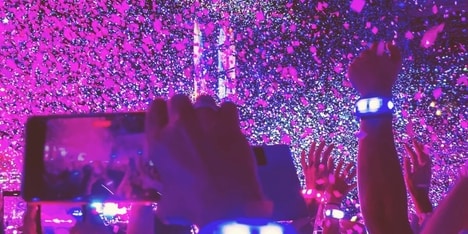
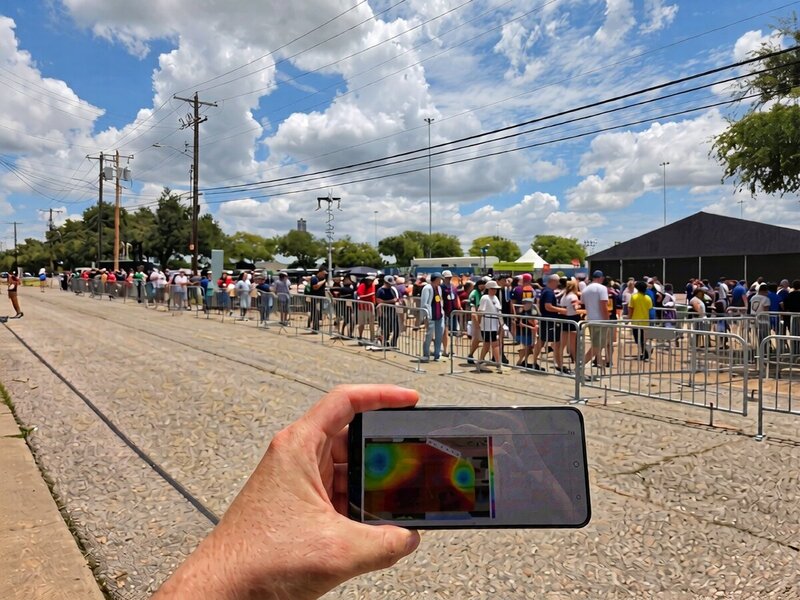
Samsung and Verizon are advancing network-based crowd sensing through an Integrated Sensing and Communication trial that uses wireless signals to detect crowd density in near real time. Tested at an international soccer fan event in Dallas, the system combined Samsung’s AI-powered vRAN and vCore with an ISAC application on its Network in a Server platform. A radio unit captured variations in transmissions from a commercial 5G device, while edge computing analyzed the data to generate changing crowd-density heatmaps without requiring additional sensing equipment.
For network operators, this approach expands telecommunications infrastructure beyond transferring data into environmental sensing. Venues could use existing networks to identify congestion, adjust resources and improve access to services, while security teams could detect potential overcrowding earlier. The trial also gives Samsung and Verizon a practical pathway for testing 6G capabilities on commercial 5G infrastructure, potentially creating new network services for venues and public spaces.
Image Credit: Samsung
What Makes This Trend Stand Out
- Network-based Sensing
- Telecom infrastructure is evolving into a passive sensing layer, creating opportunities for carriers to monetize environmental intelligence without deploying dedicated hardware.
- Crowd-density Heatmaps
- Near real-time visibility into crowd movement introduces new value for venues, transportation hubs and municipalities managing safety, staffing and service access.
- 5g-to-6g Testing
- Commercial 5G networks are becoming practical testbeds for 6G-style capabilities, reducing experimentation barriers for advanced sensing and edge intelligence services.
Sectors Adopting This
- Telecommunications
- Wireless operators can expand beyond connectivity by offering sensing-enabled services that turn network signals into operational data for enterprise and public-sector clients.
- Event Management
- Large venues and event organizers gain a new data source for understanding congestion patterns, improving guest flow and supporting safer high-density gatherings.
- Public Safety
- Security and emergency response organizations benefit from earlier detection of overcrowding, enabling more informed coordination across public spaces and major events.