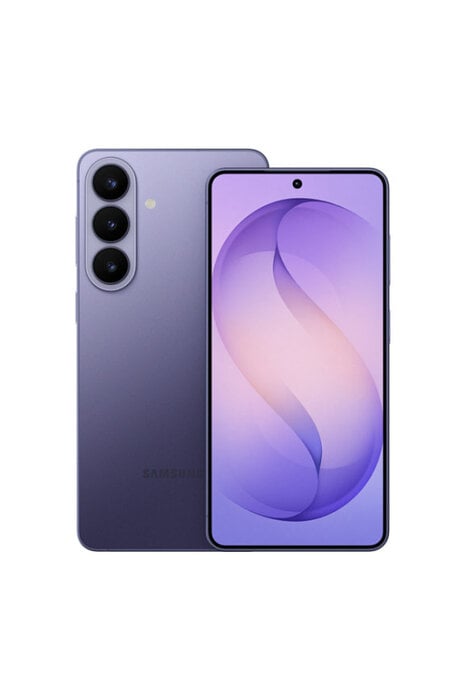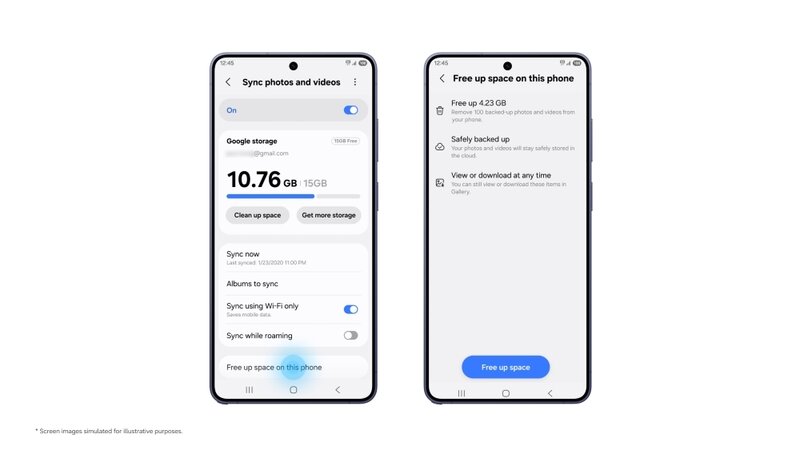
Integrated cloud galleries are simplifying photo management as Samsung Electronics introduces Google storage synchronization directly within its Gallery application. The service allows users to access pictures and videos across compatible Galaxy smartphones and tablets without creating another cloud account or installing additional software.
Available on select devices running One UI 9, the feature lets users browse synchronized media through previews while original files remain in Google storage. A new Free up space option removes downloaded originals from devices without eliminating their Gallery thumbnails. Users can access up to 15 GB of complimentary Google storage, shared with Gmail, Google Drive, and Google Photos.
For Samsung, the integration strengthens connectivity across its Galaxy ecosystem and simplifies device upgrades. Google may benefit from increased cloud storage usage and potential Google One subscriptions, while consumers gain more convenient ways to manage device storage.
Image Credit: Samsung
What's Driving This Trend
- Native Cloud Galleries
- Embedded storage synchronization inside default photo apps reduces friction for consumers and opens room for subscription growth through everyday device utilities.
- Thumbnail-first Storage
- Preview-based media access keeps galleries visually complete while shifting full-resolution files to the cloud, creating new models for lightweight device experiences.
- Ecosystem Storage Bundles
- Cross-service storage pools tied to email, documents, and photos make cloud capacity a central retention layer for hardware and software ecosystems.
Who This Affects Most
- Consumer Electronics
- Smartphone and tablet makers can differentiate devices through seamless cloud integrations that simplify upgrades, storage management, and ecosystem loyalty.
- Cloud Storage
- Storage providers gain expanded distribution when their services are built directly into device-native apps, increasing conversion potential for paid capacity tiers.
- Mobile Software
- Operating system and app developers face opportunities to make local interfaces function as gateways to cloud-based media, identity, and subscription services.