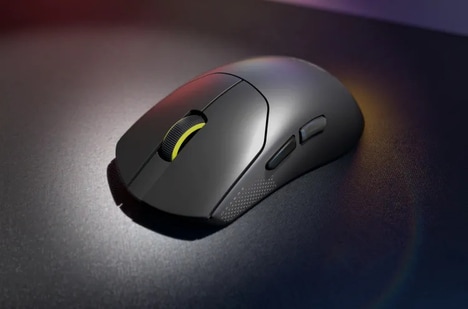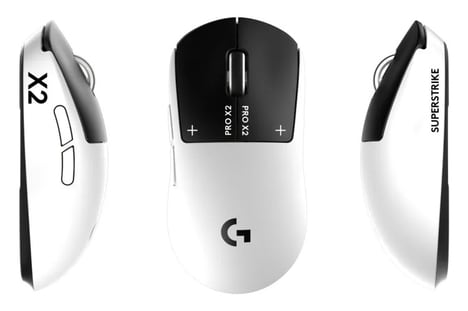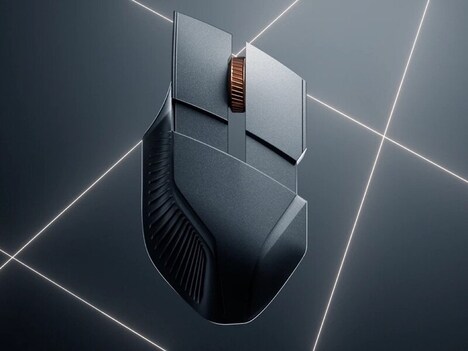
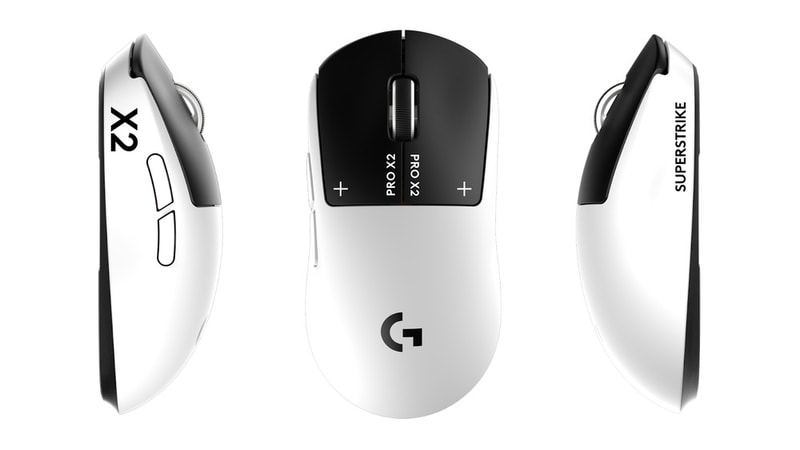
Logitech showcased how it designs and validates gaming mice at its Lausanne HQ, detailing hands‑on shaping, 3D printing and lab validation, featuring the new Superstrike with an inductive ultra‑low actuation. Reporters toured design studios where wooden blocks and hand‑carved prototypes sit alongside rapid prototyping tools, showing how tactile shaping informs final forms.
The company runs extensive sensor, mechanical and wireless testing in specialized labs.
Machines measure accuracy across axes, lift‑off, speed/acceleration and click latency; anechoic chambers and RF simulation validate 2.4 GHz performance; actuators replicate precise clicks to quantify Superstrike latency gains. Logitech also collaborates with EPFL for research and user testing.
For gamers, this blend of ergonomic craft and repeatable machine testing translates to more precise, reliable peripherals and tunable click feel. The Superstrike’s inductive switches exemplify a broader trend toward hardware that prioritizes measurable performance and customizable input for competitive play.
Image Credit: Logitech
What Makes This Trend Stand Out
- Inductive Ultra-low Actuation
- New inductive switch technology enables sub-millisecond click detection and wear-resistant actuation characteristics that could redefine input latency standards for competitive peripherals.
- Hybrid Craft-engineering Design
- A convergence of hand-shaped prototypes and rapid digital fabrication creates design workflows where tactile ergonomics and scalable manufacturing fidelity are evaluated side-by-side.
- Measurable Tunable Inputs
- The shift toward quantitatively validated, user-tunable click feel and sensor behavior supports peripherals whose performance profiles can be precisely benchmarked and personalized.
Sectors Adopting This
- Esports Hardware
- Competitive peripheral makers face opportunities to differentiate through ultra-low latency devices and configurable input characteristics that materially affect pro-level performance metrics.
- Precision Sensors and Actuators
- Suppliers of sensing and actuation modules could be disrupted by compact inductive designs that offer higher durability, lower latency, and easier integration into consumer electronics.
- Human-computer Interaction Research
- Academic and industry HCI labs are positioned to explore new input paradigms and validation methodologies as repeatable mechanical testing and real-world user studies converge.