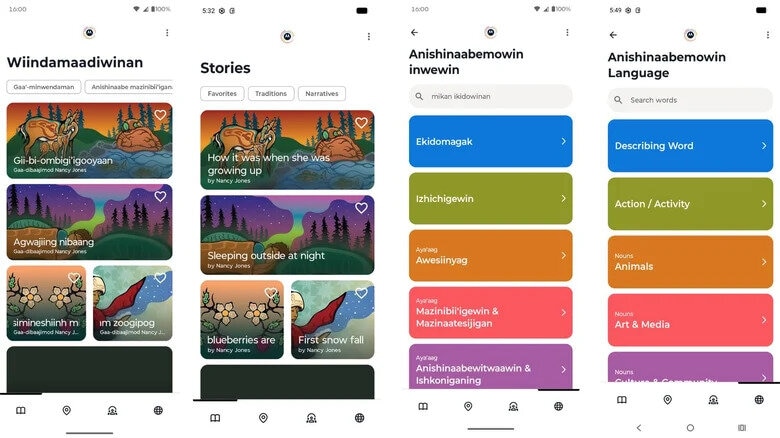
The Indigenous Collections app was developed with members of the Rainy Lake Ojibwe community to document and preserve the Ojibwe language alongside stories, landmarks, and family knowledge. Ojibwe language instructor Jason Jones and Dr. Anton Treuer, an author and Professor of Ojibwe at Bemidji State University, served as key collaborators on the project. The free Android application is available through Google Play and distributes only cultural knowledge that community members have chosen to share publicly.
The release forms part of Motorola's Indigenous Languages Initiative, a program created in partnership with the Lenovo Foundation to support the digitization and preservation of Indigenous languages. According to Dr. Treuer, storytelling remains an effective method for passing on language, cultural knowledge, community history, and worldview, with additional stories planned for future inclusion. The wider initiative also works with Indigenous communities to integrate their languages into modern smartphone technology.
Image Credit: Motorola
What Makes This Trend Stand Out
- Community-led Archives
- Digital platforms shaped by Indigenous contributors create new models for ethical knowledge preservation, where cultural ownership and selective public sharing redefine how archives are built.
- Language Preservation Apps
- Mobile tools for endangered languages are expanding access to learning through stories, landmarks, and family histories embedded in everyday technology.
- Culturally Adaptive Smartphones
- Device ecosystems that integrate Indigenous languages and cultural interfaces point to more inclusive consumer technology designed around underserved linguistic communities.
Sectors Adopting This
- Mobile Technology
- Smartphone companies have emerging opportunities to embed minority language support and culturally specific features into mainstream devices and applications.
- Education Technology
- Learning platforms centered on oral history and community-authored content can transform how language instruction is delivered beyond traditional classrooms.
- Cultural Heritage
- Museums, archives, and preservation organizations are seeing digital-first formats reshape how communities document, control, and share living cultural knowledge.