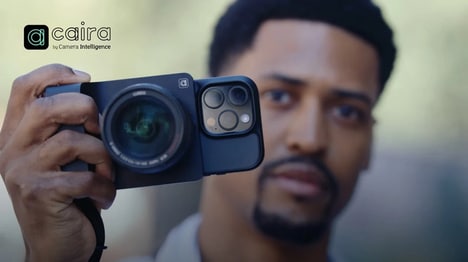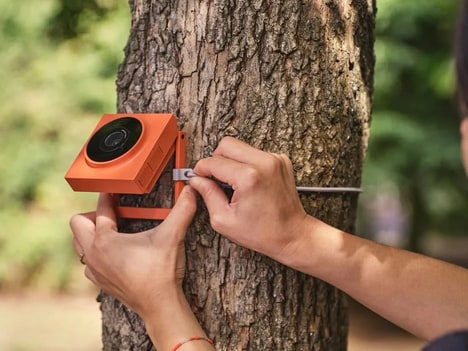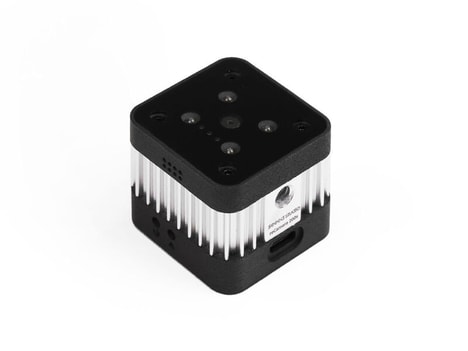
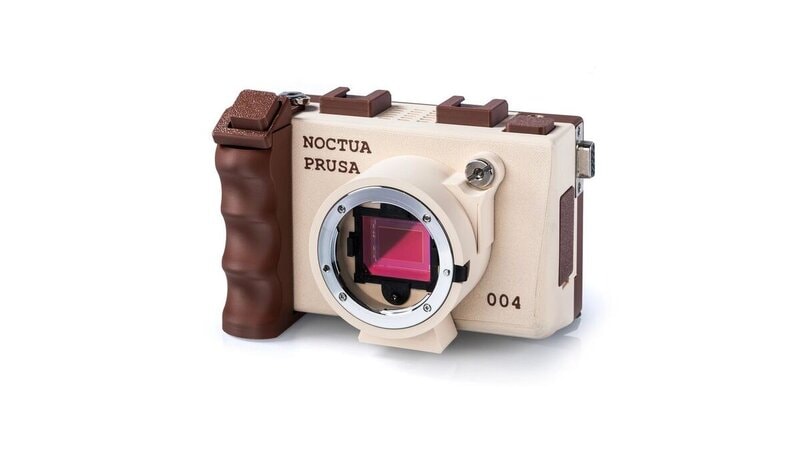
Caim's CAIM1 is an upcoming camera built to prove that its photos come from a human, not an AI generator. It creates physical, open, verifiable proof the moment it records.
The camera captures 4K60 video while generating cryptographic proof at the same time, which pushes its processors hard inside a mostly enclosed shell. To manage that heat, it uses Noctua's NF-A4x10 5V PWM fan and a BYOL, or bring-your-own-lens, setup.
That mix makes the device feel less like a standard camera accessory and more like a trust tool. It also reflects a new pressure on imaging gear: not just better picture quality, but proof that the image started in the real world. Open verification is stored on immutable, decentralized infrastructure so anyone can check it.
Image Credit: Caime / Caimera.one
Why This Trend Is Growing
- Authenticity-first Imaging
- Cameras that embed cryptographic verification at capture are creating new value in media workflows where provenance matters as much as resolution.
- Decentralized Content Proof
- Immutable verification layers for photos and videos are reshaping digital trust by making origin data independently auditable across platforms.
- Modular Trust Hardware
- Bring-your-own-lens systems paired with proof-generating camera bodies point to flexible professional tools built around authenticity, interoperability, and control.
Industries Being Reshaped
- Digital Media
- Newsrooms, creators, and publishers are gaining opportunities to differentiate verified human-made footage from synthetic content in high-stakes information environments.
- Camera Technology
- Imaging hardware is evolving beyond optical performance as manufacturers incorporate provenance, security, and verification features into core product design.
- Blockchain Infrastructure
- Decentralized storage and verification networks are becoming practical foundations for content authenticity systems that require public, tamper-resistant records.