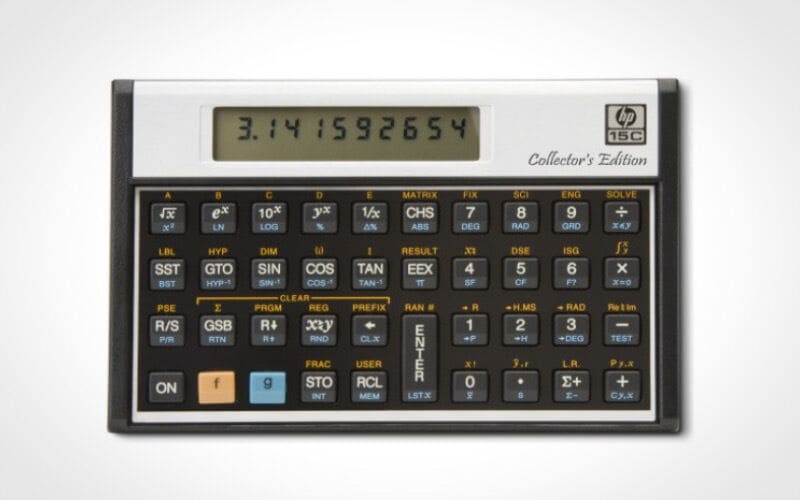
HP unveils its new HP 15C Collector’s Edition as the first HP-15C was first launched back when the company was still known as Hewlett-Packard but was then discontinued in 1989. The HP 15C Collector’s Edition features the same elements and functions as the original design.
This includes the 10-digit segmented LCD display but also has a processing speed of up to 100 times faster. The calculator's input is able to understand complex numbers, matrix math, root-solving, and numerical integration. Additionally, the HP 15C Collector’s Edition will also have a longer battery life as it is fueled by CR2023 coin cells. Notably, it is set at the affordable price of $120 USD, which is now available for preorders
Image Credit: HP Calculator Division
Why This Trend Is Growing
- Retro Calculator Revival
- The rise of collector-edition retro calculators offers a nostalgic alternative to modern devices, while also satisfying demand for unique tech items.
- Upgraded Classic Design
- Companies can capitalize on re-released retro technology by adding modern features such as faster processing speed and longer battery life.
- Affordable Vintage Tech
- Affordable pricing of collector-edition calculators can cater to consumers who seek retro design without higher costs of antique technology.
Industries Being Reshaped
- Tech Manufacturing
- Tech manufacturing industries can consider capitalizing on the demand for retro technology by re-releasing their previously successful products with modern features.
- Collectibles Market
- Collector-edition calculators can appeal to the collectibles market and can offer a significant opportunity for a unique addition to their product portfolio.
- Nostalgia-focused Retail
- Retailers can explore nostalgia-focused product lines by introducing niche technology products such as a collector-edition calculator, appealing to consumers interested in iconic retro tech products.