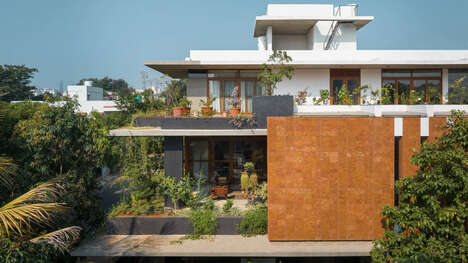
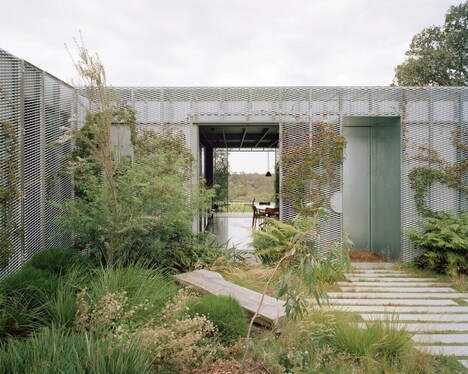
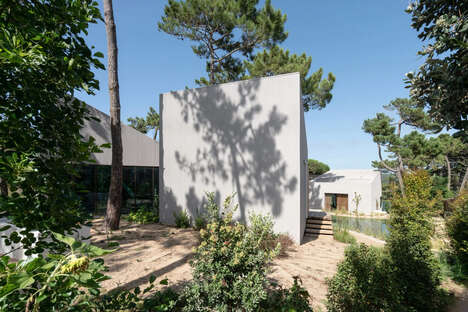
Vertical gardens may be old news now, but the House Patrocinio takes them to a whole new level worthy of being noted. Densely packed plants scale the walls of this rectangular home, giving it more of a Chia Pet look that some of its predecessors lacked. Covered on all four sides, except for where there are windows and entrances, the House Patrocinio is a veritable forest in the middle of the city.
Designed by Rebelo de Andrade, the House Patrocinio is home to about 25 different Iberian and Mediterranean varieties of plants for a total of approximately 4,500. Full of lush texture, fresh scents and vibrant colors, the House Patrocinio is located in Lisbon, Portugal.
Boasting three storeys and a rooftop lap pool, the House Patrocinio is a sight to behold.
Why This Trend Is Growing
- Dense Plant-covered Architecture
- Architects and engineers can explore innovative ways to incorporate greenery in the design and construction of buildings.
- Vertical Gardens 2.0
- This upgraded version of vertical gardens adds a new layer of possibilities for urban greening.
- Nature-inspired Housing
- Using nature as inspiration for building design can lead to more sustainable and ecologically friendly architecture.
Industries Being Reshaped
- Architecture and Engineering
- The House Patrocinio represents a new frontier in green architecture that architects and engineers can explore.
- Urban Planning and Landscaping
- The trend towards green buildings is driving demand for innovative solutions in urban planning and landscaping.
- Real Estate
- Real estate companies may explore how incorporating dense plant-covered housing can increase property value and appeal to environmentally conscious consumers.