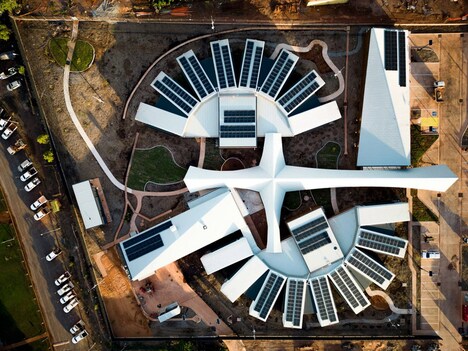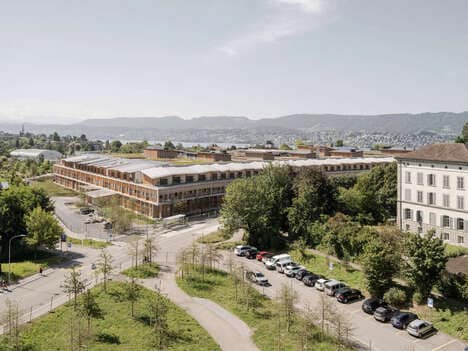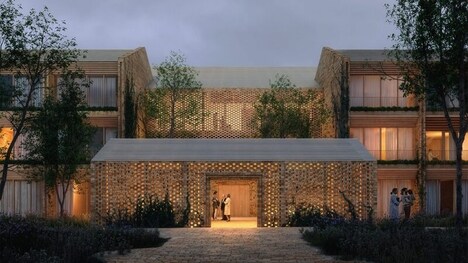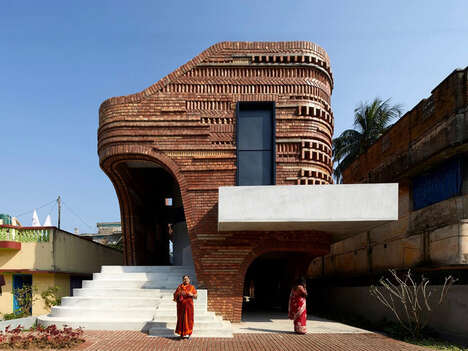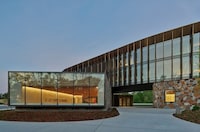
When working on this hospital design in Magyizin, a remote village in Myanmar, the German architectural studio A+R Architekten derived inspiration from "traditional typologies and materials."
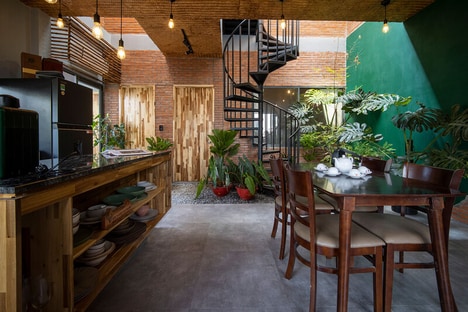
Stuuttgard-based A+R Architekten embraced "Myanmar's traditional "brick nog" structures." Brick nog is a special construction technique that uses bricks to fill the vacancies of a wooden frame. In this case, the frame is timber. The firm elevated this structural approach with subtle motifs that carry the ethos of the contemporary. The stone-filled courtyard is a great example of this.
The modern hospital design is optimized to provide maximum airflow and provide shelter from the rain—which is important, especially since the region is particularly rainy. A+R Architekten also placed an emphasis on developing the functional qualities of the hospital design since the building provides healthcare for about 20 communities in the area.
Image Credit: Oliver Gerhartz
What Makes This Trend Stand Out
- Traditional Construction Techniques
- Architectural firms can explore the use of traditional construction techniques and materials to create unique structures with modern appeal.
- Optimizing for Climate Conditions
- Architects can design structures that are optimized to provide maximum airflow and shelter from harsh weather conditions, which is especially important for communities in regions with extreme weather patterns.
- Functional Design
- Architects can prioritize developing the functional qualities of their designs to better accommodate community needs and provide access for underrepresented groups.
Sectors Adopting This
- Architecture
- The architectural industry can incorporate traditional techniques and methods to create structures that are both aesthetically unique and modern.
- Healthcare
- The healthcare industry can benefit from functional design that accommodates access to underrepresented communities and provides crucial healthcare services to remote areas.
- Construction
- The construction industry can explore optimizing structures to withstand harsh weather conditions and changing climate patterns to create more sustainable and durable buildings in vulnerable areas.