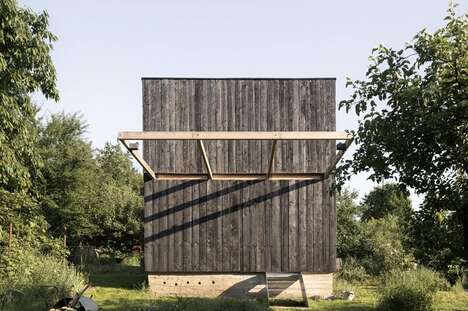
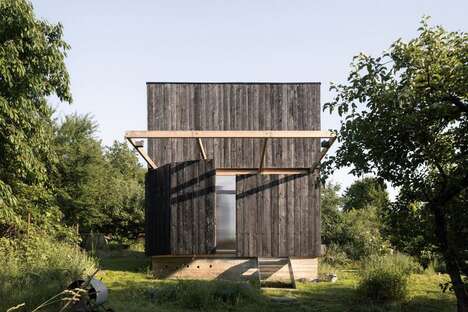
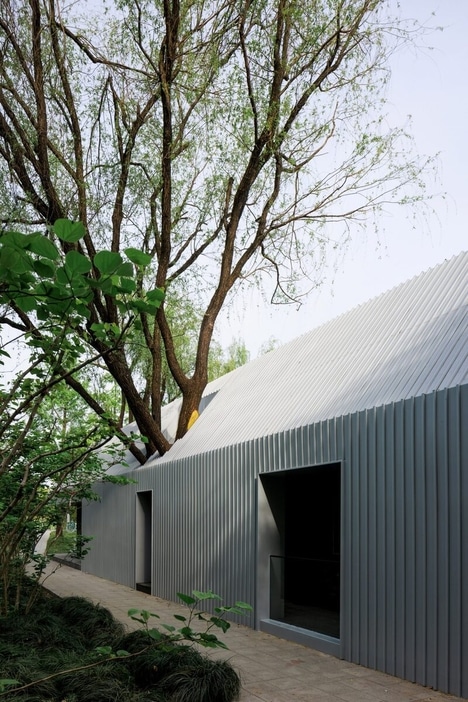
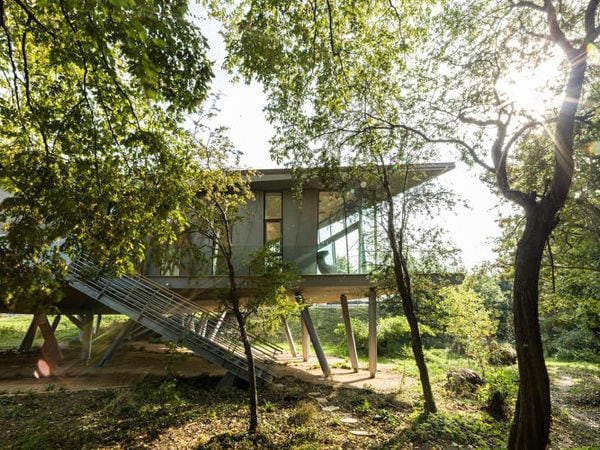
Miller Design designed the 'Anderson Pavilion' a home pavilion in Modesto, California.
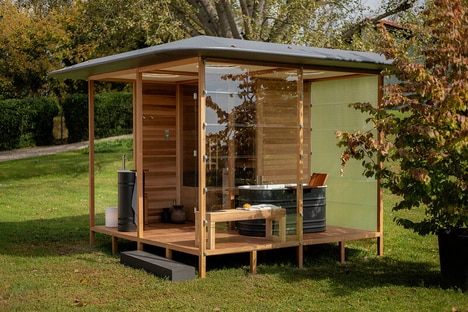
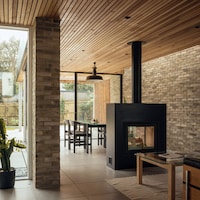
The pavilion is an open space during the summer, but come wintertime, it transforms into a cozy getaway, complete with a wood-burning fireplace and an infinity edge hot tub made from stainless steel. The multi-functional space features a ground floor garage and an urban retreat on the upper level. The structure is constructed from corten, masonry and redwood that complement the main house, a 1920 bungalow, and correspond with the rest of the neighborhood.
The architects added some defining features that set the pavilion apart from the rest, such as a brass fire pole and steel studders located outside the guest suite that transform into a ladder leading to the third floor loft.
What Makes This Trend Stand Out
- Multi-functional Spaces
- There is an opportunity to design and create spaces that can adapt to different needs and functions, providing versatility and maximizing the use of a single area.
- Seasonal Transformation
- Designing structures that can transform during different seasons offers the chance to optimize space usage throughout the year and cater to changing weather conditions.
- Unique Architectural Elements
- Incorporating distinctive and visually appealing elements into architectural designs can create memorable experiences and set structures apart from others in the market.
Sectors Adopting This
- Architecture and Design
- The architectural industry can explore the concept of multi-functional spaces and seasonal transformation to create innovative and adaptable structures.
- Hospitality and Tourism
- The hospitality industry can incorporate the idea of multi-functional spaces in hotels and resorts, offering guests diverse experiences and adding value to their stays.
- Home Improvement and Construction
- The home improvement industry can embrace the trend of unique architectural elements to differentiate their products and services, appealing to consumers looking for distinctive features in their homes.