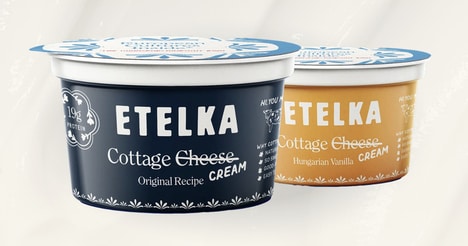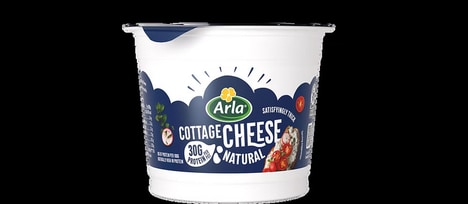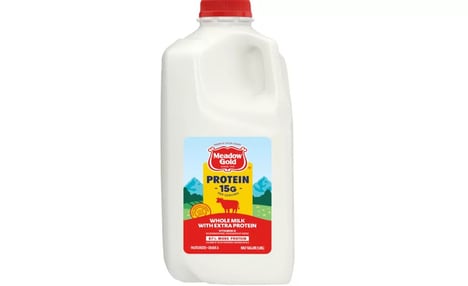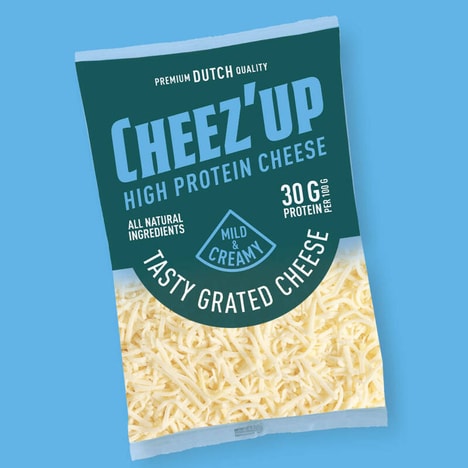
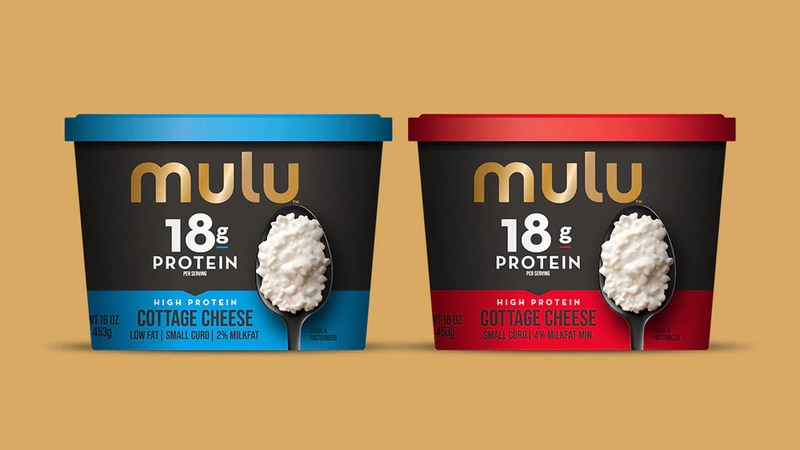
Dairy Farmers of America launched MULU, a high-protein cottage cheese brand that delivers 18 grams of complete protein per half-cup serving, which is 33% more than the leading competitor in the sector. This is achieved through a proprietary whey-and-casein two-layer formulation. MULU's high-protein cottage cheese is available exclusively at Walmart nationwide in 16 oz cartons of 2% low-fat and whole milk for $4.26.
Unlike traditional cottage cheese, MULU uses a dual-protein system that combines fast-acting whey with casein to provide both immediate and sustained amino acid delivery. At 100 calories per serving, the low-fat variety has protein accounting for up to 72% of total calories.
As functional foods continue to grow in popularity, MULU shows how dairy brands are using performance nutrition formulations to expand the category beyond its traditional role.
Image Credit: MULU
What's Driving This Trend
- High-protein Dairy Innovation
- A shift toward significantly higher protein content in mainstream dairy products creates room for novel value propositions that redefine consumer expectations for everyday refrigerated goods.
- Dual-protein Formulations
- Combining fast-absorbing whey with slow-digesting casein within a single product opens possibilities for engineered amino-acid delivery profiles tailored to different physiological needs.
- Functional Foods Crossing Traditional Categories
- The blending of performance nutrition attributes into classic food formats suggests new hybrid products that blur lines between snacks, meal components, and recovery foods.
Who This Affects Most
- Retail Grocery
- Premium, shelf-stable and refrigerated offerings with clear performance claims could reshape category layouts and private-label strategies in mass-market retailers.
- Sports Nutrition
- Products that deliver comparable protein density to supplements in convenient food formats indicate opportunities for rethinking distribution and brand positioning within athletic markets.
- Dairy Processing and Ingredients
- Innovations in protein blending and texturization present potential for ingredient suppliers and manufacturers to develop proprietary systems that differentiate finished dairy products.