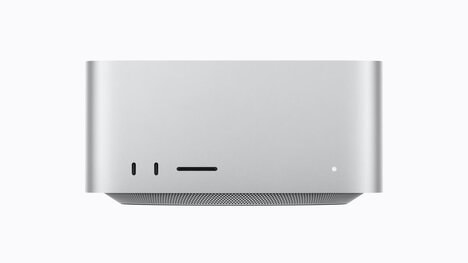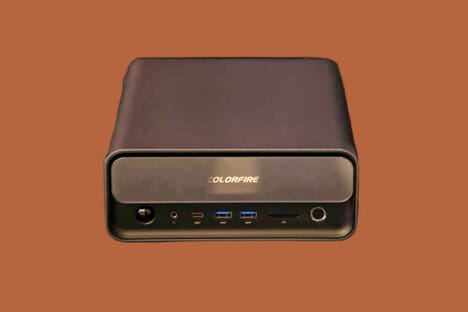
Framework is opening pre-orders for the high-end 'Framework Desktop,' offering buyers a compact workstation with far more memory headroom than the company's current top configuration. The new version goes on order Wednesday morning Pacific time and is built around AMD's Ryzen AI Max+ Pro 495 CPU.
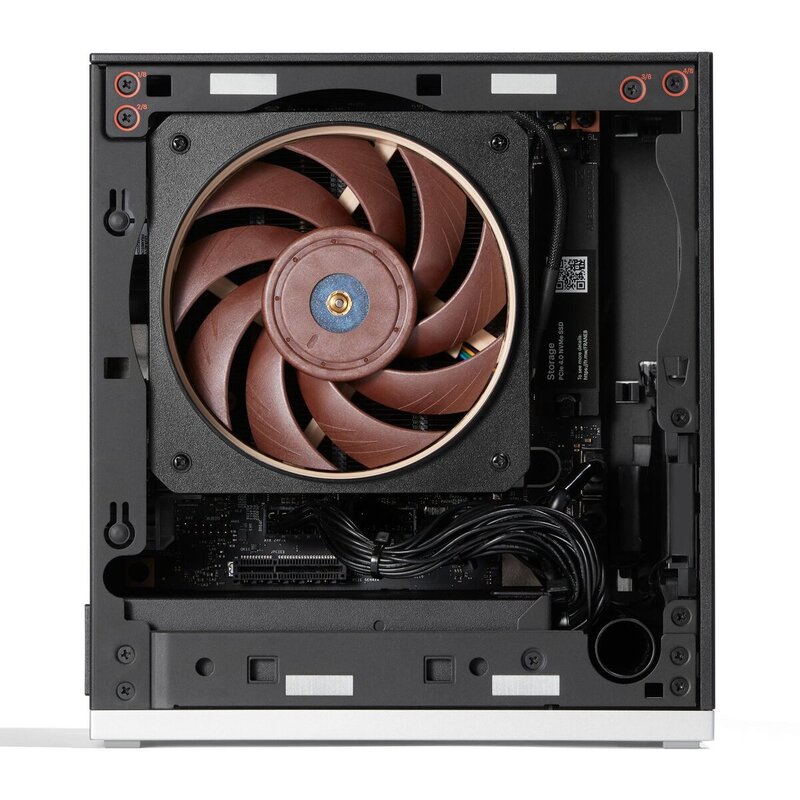
The desktop pairs with 192 GB of LPDDR5X unified memory and includes a Noctua fan already installed. Framework says 160 GB can be assigned to the GPU, which matters for heavier creative work, larger AI models, and other tasks that benefit from shared system memory rather than a cramped graphics pool.
For shoppers, this pushes small desktops closer to workstation territory without adopting a tower-sized footprint. It also creates a clearer split between everyday mini PCs and machines designed to handle seriously demanding local computing.
Image Credit: Framework
What's Driving This Trend
- Compact AI Workstations
- Small-footprint desktops with workstation-class memory create new possibilities for local AI development, creative production, and edge computing without enterprise-scale hardware.
- Unified Memory Computing
- Shared CPU-GPU memory architectures reduce bottlenecks for large models and media workflows, shifting performance competition away from discrete graphics capacity alone.
- Modular Professional Desktops
- Repairable and configurable compact systems introduce differentiation in a market where professionals increasingly value longevity, upgrade flexibility, and space-efficient power.
Who This Affects Most
- Computer Hardware
- High-memory compact desktops expand premium product segments by blending mini PC convenience with workloads traditionally reserved for full-size workstations.
- Artificial Intelligence
- Local execution of larger AI models becomes more accessible as compact machines gain enough shared memory to support experimentation outside cloud infrastructure.
- Creative Technology
- Video, 3D, and generative media workflows benefit from dense desktop performance, creating demand for systems that handle intensive assets in constrained workspaces.