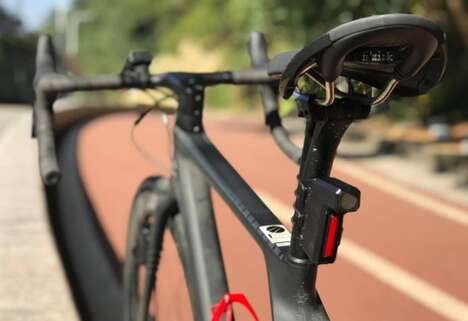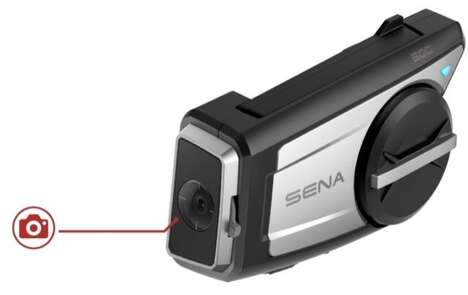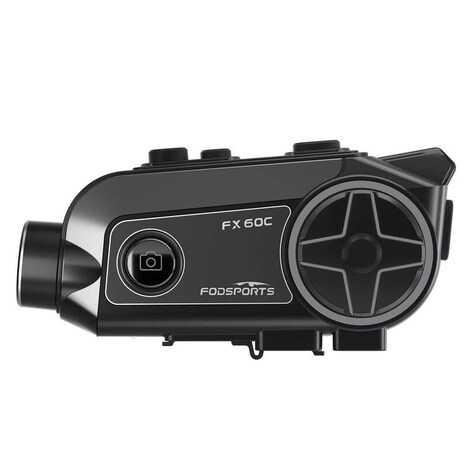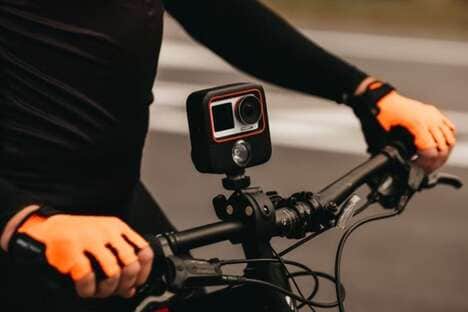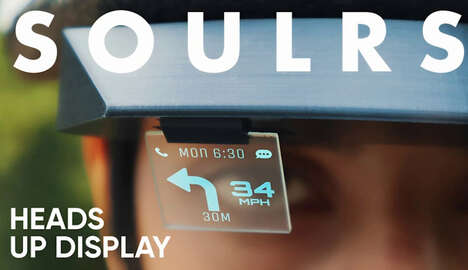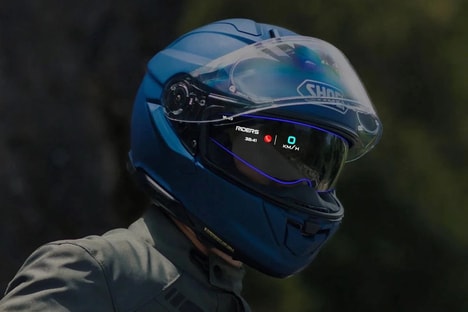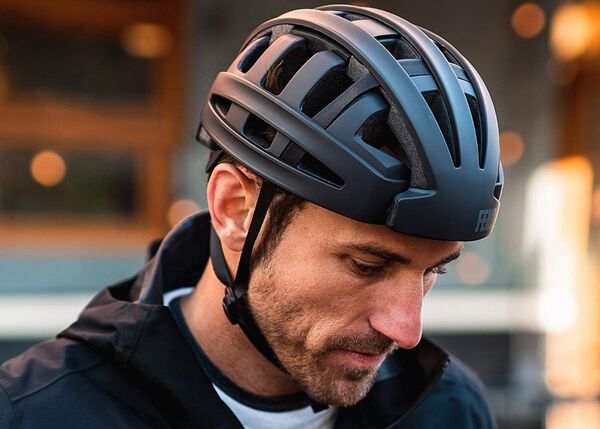
Dash cams have become quite commonplace for many drivers of conventional automobiles to help enhance security, so the 'REVAN' helmet-mounted dash cam has been developed to help extend the same features to motorcyclists. The camera works by being mounted on top of a helmet and immediately going to work recording footage in a 360-degree manner to prevent blindspots from causing an issue. The unit can be connected to a heads-up display (HUD) to allow users to check their blindspot without having to physically move their head to keep their focus on the road.
The 'REVAN' helmet-mounted dash cam also integrates connectivity capabilities including a group calling feature and GPS to help users save and share their travels.
Key Themes Behind This Trend
- Helmet-mounted Dash Cams
- Harnessing the power of dash cams for motorcyclists, offering enhanced security and recording capabilities on the go.
- 360-degree Recording
- Utilizing 360-degree recording technology to eliminate blindspots and provide comprehensive footage for motorcyclists' safety.
- Connectivity and Sharing Features
- Integrating connectivity capabilities like group calling and GPS to enhance user experience and facilitate sharing of travel experiences.
Where This Applies
- Motorcycle Accessories
- The growing demand for helmet-mounted dash cams presents an opportunity for motorcycle accessory manufacturers to innovate and capture new market segments.
- Automotive Technology
- Introducing dash cam technology to the motorcycle industry opens up opportunities for automotive technology companies to expand their product offerings.
- Online Video Sharing Platforms
- The integration of connectivity and sharing features in helmet-mounted dash cams creates potential partnerships and collaborations with online video sharing platforms to cater to motorcyclists' content sharing needs.