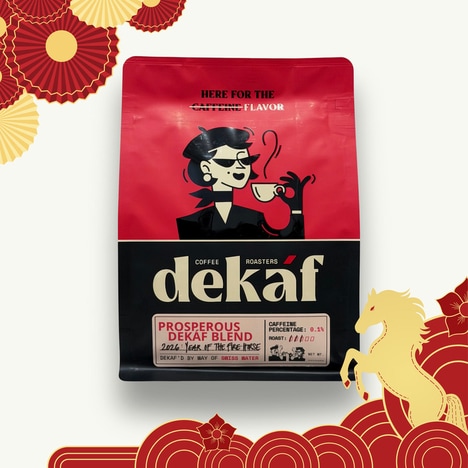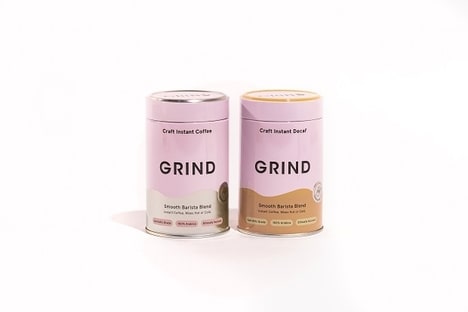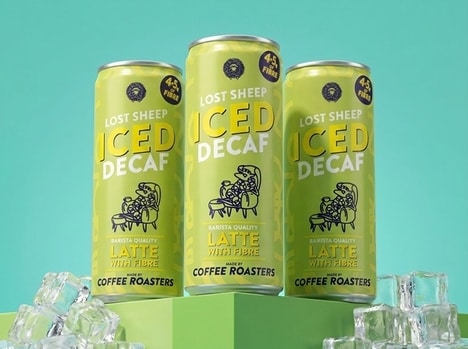
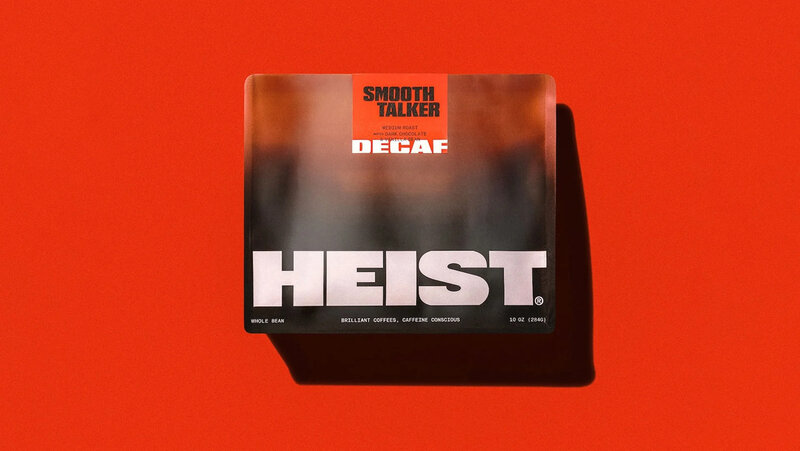
Decaf coffee is often treated as a lesser substitute for the real thing, but Heist is on a mission to change that, crafting decaf just as rich, complex and interesting as its caffeinated counterpart. This new venture from the founder of Corkcicle, the tumbler brand created to keep drinks hot or cold, aims to get people thinking differently about their morning or afternoon coffee. Heist's light and medium roasts use quality beans and a water-based decaffeination process that eliminates chemical solvents and maintains flavor. What's more, every batch undergoes lab testing for mycotoxins and molds before it’s released, and if a lot does not pass, it does not ship.
Heist's world-class decaf coffee is available direct-to-consumer, and it's also popping up in notable destinations like Kaya, a Michelin-star restaurant in Orlando.
What Makes This Trend Stand Out
- Premium Decaf Reinvention
- Flavor-forward decaf positioning creates room for specialty coffee brands to serve consumers who want ritual, complexity and lower stimulation without perceived compromise.
- Chemical-free Processing
- Water-based decaffeination reflects growing demand for cleaner production methods that preserve taste while reducing concerns around solvent-based food processing.
- Lab-tested Beverages
- Verified screening for molds and mycotoxins signals a premium quality layer where safety transparency becomes part of the beverage value proposition.
Sectors Adopting This
- Specialty Coffee
- Elevated decaf formats are expanding specialty coffee beyond caffeine dependence, giving roasters new premium segments tied to flavor, wellness and occasion flexibility.
- Direct-to-consumer Beverages
- Online-first distribution allows niche beverage labels to educate consumers, control quality narratives and build loyalty around differentiated processing claims.
- Fine Dining
- Restaurant placement for premium decaf highlights an overlooked menu category where hospitality venues can extend craft beverage standards into after-dinner and low-caffeine moments.