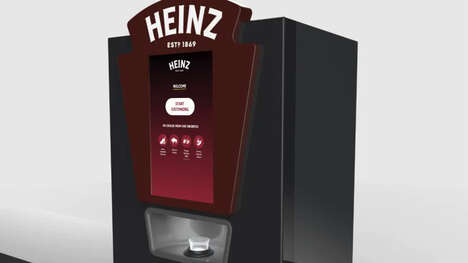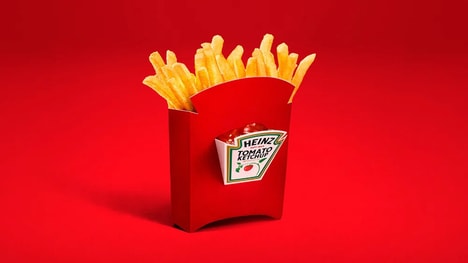
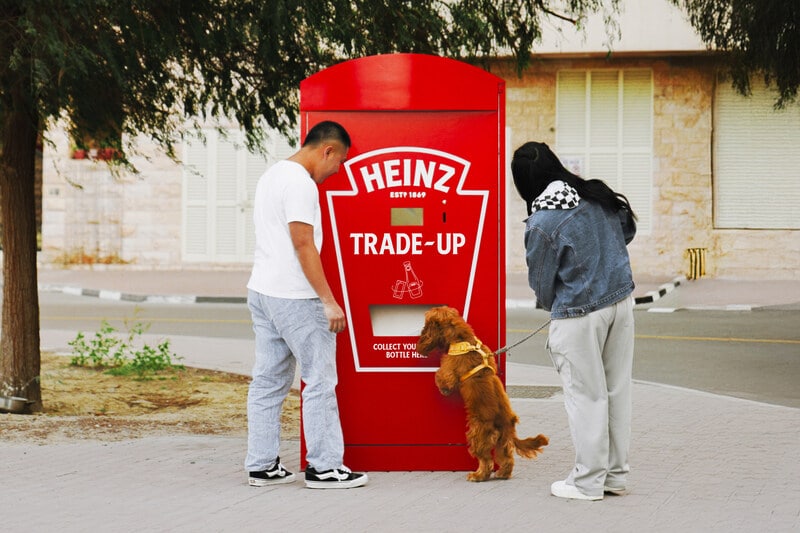
It’s easy for a drawer or a fridge compartment to accumulate unused condiment packets and Heinz is helping to put a stop to this with Heinz Trade-Up—an initiative that lets people in Dubai turn in their unwanted sachets for a bottle of Heinz.
According to a recent Heinz survey, 70% of UAE residents have unwanted ketchup sachets at home, and 48% confess to having five to 10 rogue sachets cluttering their kitchens at any given moment. Rather than throwing their stash away, for a limited time, people can turn their ketchup satchets into currency at a custom-designed Heinz vending machine.
Every five sachets earn visitors a whole bottle of Heinz, offering a simple and fun way for people to upgrade their sachet stockpile, all while reinforcing "It Has to Be Heinz."
Key Themes Behind This Trend
- Sustainable Consumption Initiatives
- Programs that facilitate the exchange of unwanted items, like condiment sachets, encourage sustainable consumption by reducing waste and promoting product longevity.
- Customer Engagement Through Gamification
- Using gamified exchanges such as vending machine-based trade-ins can increase consumer interaction and brand loyalty while providing a novel and interactive experience.
- Circular Economy Activation
- The movement towards a circular economy is exemplified through the transformation of waste into a resource, offering companies new pathways to sustainability and consumer appeal.
Where This Applies
- Food and Beverage
- The food and beverage sector is exploring novel ways to connect with consumers by integrating sustainability-focused campaigns that promote product exchanges.
- Retail Technology
- Innovative vending technologies are being utilized in retail to provide brand-specific exchange programs, enhancing customer experience and engagement.
- Environmental Services
- Environmental service companies stand to benefit from partnerships with brands seeking to enhance their green initiatives and manage waste through innovative recycling programs.