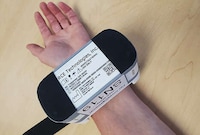
Thanks to funding from the British Heart Foundation (BHF), researchers from the University of Oxford discovered a new method to detect chemotherapy-caused heart damage. The high-tech scanning technique can see if chemo treatment is damaging the patient's heart before any actual symptoms surface.
Chemotherapy drugs such as Doxorubicin can lead to heart failure, a devastating reality thousands of cancer survivors have had to face. Heart failure symptoms such as breathlessness typically only appear after the heart has undergone irreversible damage. There are currently no non-invasive ways to see if heart damage is occurring. However, this new research suggests that hyperpolarized MRI imaging could identify damage early on by scanning deeper into heart cells and preventative action can be taken.
Key Themes Behind This Trend
- Early-detection Scans
- The use of hyperpolarized MRI imaging to detect chemo-caused heart damage before symptoms appear offers opportunities for early detection scanning services.
- Medical Imaging Technology
- Advances in hyperpolarized MRI imaging for detecting chemotherapy-caused heart damage offer a disruptive innovation opportunity for medical imaging companies.
- Preventative Health Care
- Early detection scans for chemo-caused heart damage present new opportunities for preventative health care industries seeking to identify and address health issues before they become serious.
Where This Applies
- Healthcare
- The use of hyperpolarized MRI imaging to detect chemo-caused heart damage presents opportunities for healthcare professionals to diagnose and monitor patients with potential heart damage.
- Medical Technology
- Advances in hyperpolarized MRI technology for detecting chemotherapy-caused heart damage offer opportunities for medical technology companies to develop new products and diagnostic tools.
- Pharmaceuticals
- Preventative scanning technologies for chemo-caused heart damage could prompt pharmaceutical companies to focus on developing drugs with fewer negative side effects on patients' organs.