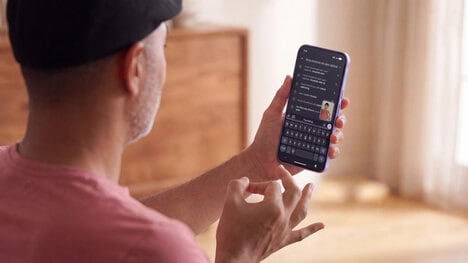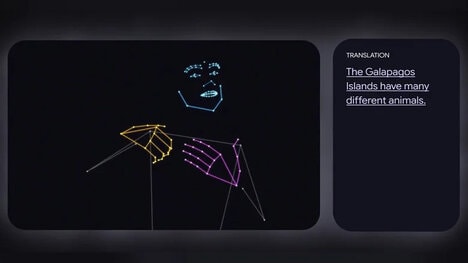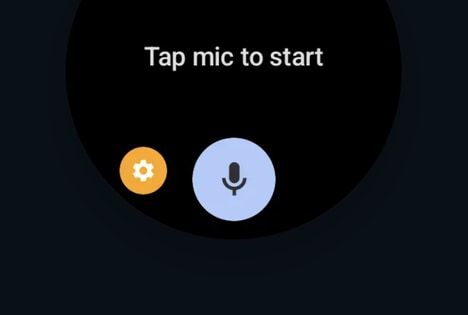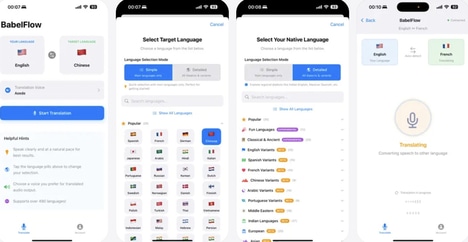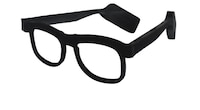
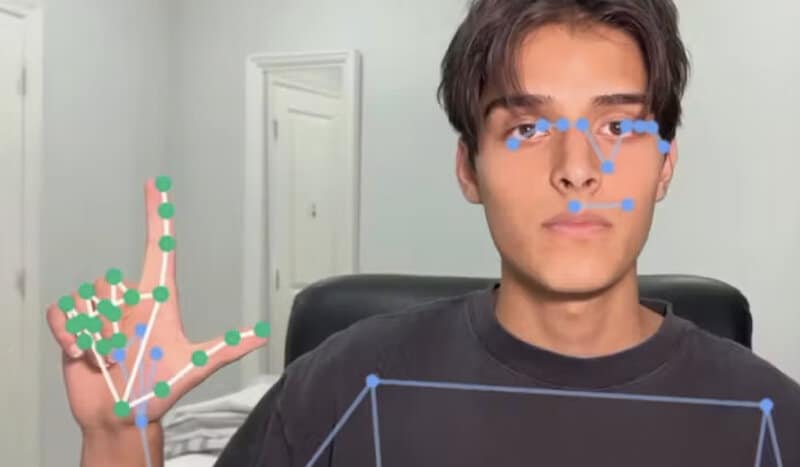
Communicating through sign language with people who do not understand it can create a barrier in everyday conversations. Hand Wave is a sign language translation tool that uses the camera on Meta smart glasses to interpret signs and convert them into text and speech.
The tool also works across iOS and the web, giving users different ways to access the technology beyond the smart glasses themselves. Under the hood, Hand Wave uses a lightweight, open-source neural network trained on Google's FSBoard dataset. The model is being developed to run locally across devices, which could allow sign language processing to happen without continuously sending camera footage to the cloud. By combining wearable cameras with on-device AI, Hand Wave aims to make real-time sign language translation more portable and accessible.
Image Credit: Hand Wave
Key Themes Behind This Trend
- Wearable Language Interfaces
- Smart glasses paired with real-time translation software create new possibilities for hands-free communication between signed and spoken language users.
- On-device Accessibility AI
- Local neural networks for assistive tools reduce reliance on cloud processing while improving privacy, latency, and everyday usability.
- Multiplatform Inclusive Communication
- Cross-device access through wearables, mobile apps, and web platforms expands how accessibility technologies can fit into different social and professional settings.
Where This Applies
- Assistive Technology
- AI-powered sign language interpretation introduces more portable and responsive tools for reducing communication barriers in public, workplace, and educational environments.
- Wearable Computing
- Camera-enabled smart glasses gain broader utility when integrated with accessibility-focused applications that convert visual gestures into text and speech.
- Artificial Intelligence
- Lightweight open-source models support privacy-conscious, real-time translation systems that can operate across consumer devices without constant cloud connectivity.