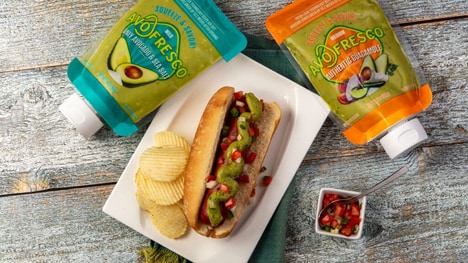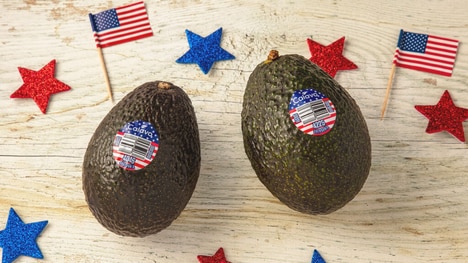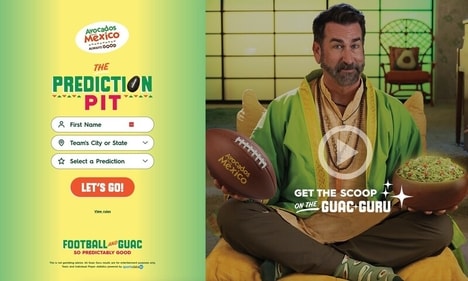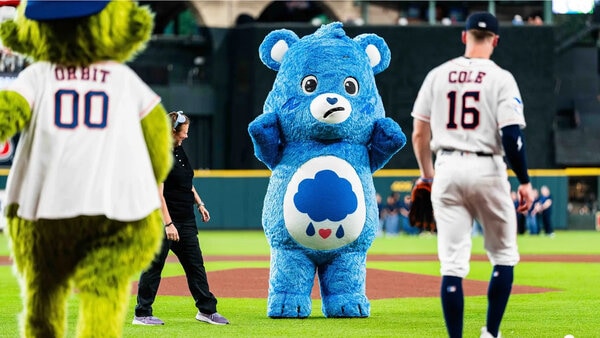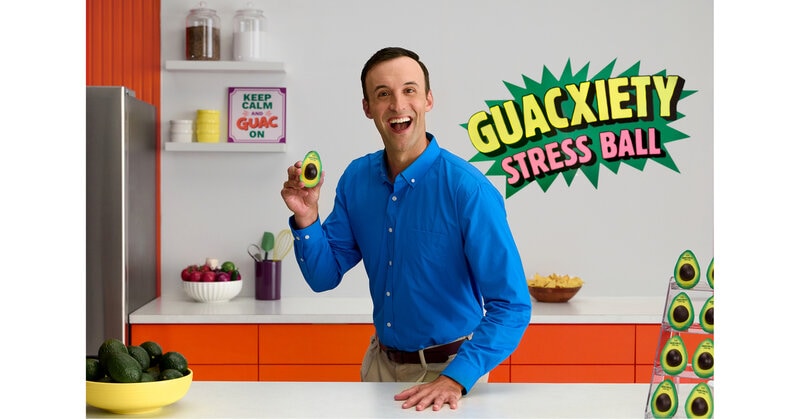
Good Foods Group is turning a familiar avocado frustration into meme-inspired food campaigns with its new “Guacxiety” activation. Created with Rival, the campaign gives a playful name to the uncertainty consumers experience when waiting for avocados to ripen before they become overripe. Digital and connected TV content draws on existing social media jokes, while a limited-edition avocado stress ball turns the concept into a physical experience. The campaign is supported by Harris Poll research showing that 82% of avocado purchasers become frustrated when avocados spoil before use.
By building its messaging around an existing consumer tension, Good Foods can position its ready-to-eat guacamole as a convenient alternative without relying on traditional product advertising. The stress ball also gives the campaign a shareable element designed for social platforms. This approach can help Good Foods strengthen brand recognition while connecting its product benefits to a relatable everyday problem.
Image Credit: Good Foods Group
Key Themes Behind This Trend
- Meme-based Product Positioning
- Brands can translate familiar online humor into product narratives that make functional benefits feel culturally relevant and easier to share.
- Anxiety-themed Consumer Marketing
- Everyday frustrations are becoming branded emotional hooks, creating space for products that reduce small but recurring household pain points.
- Shareable Physical Brand Extensions
- Limited-edition tactile items can turn digital campaign concepts into collectible experiences that drive social visibility beyond paid media.
Where This Applies
- Packaged Foods
- Convenience-focused food brands can use consumer tension around freshness, spoilage, and preparation timing to differentiate ready-to-eat alternatives.
- Digital Advertising
- Campaigns built from social media behaviors offer agencies new ways to merge cultural listening, humor, and performance-oriented brand storytelling.
- Promotional Products
- Branded novelty items tied to emotional insights can evolve from simple giveaways into media objects designed for user-generated content.