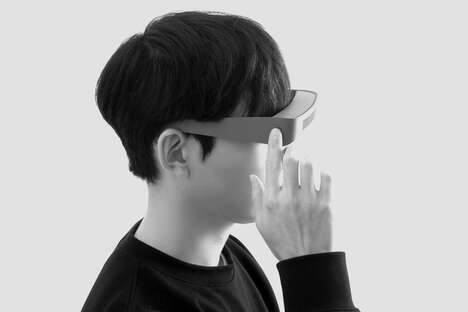
Robert Ortega's Green Screen was one of the finalists in 'Project Greenway,' conducted by Columbia University's Graduate School of Architecture.
Green Screen is made from pulp of fungal spores and filters bacteria from nasal passages. Another feature of Green Screen is that it can separate carbon-dioxide from exhalation. This feature allows the embedded seeds to germinate, form roots and later the mask can be planted directly into the soil.
Implications - In today's society, businesses are facing growing concerns amongst consumers that their products are not only harmful to the environment, but also to their health. Businesses that devote their efforts to offering products that are beneficial to preserving the planet and safe for consumer use, will appeal to a wide audience. Consumers will likely invest in products with wholesome qualities.
What Makes This Trend Stand Out
- Eco-friendly Products
- Opportunity for businesses to develop and market products that are beneficial to the environment and safe for consumer use.
- Health-conscious Consumerism
- Growing consumer demand for products that are safe and promote well-being, leading to potential market opportunities.
- Sustainable Mask Solutions
- Innovative masks that not only filter bacteria but also have the capability to be planted and grow into plants, creating a sustainable solution.
Sectors Adopting This
- Personal Protective Equipment (PPE)
- PPE manufacturers can explore sustainable alternatives to traditional masks, incorporating eco-friendly materials and features.
- Biotechnology
- Opportunity for biotech companies to develop and commercialize innovative mask technologies that improve air quality and have sustainable benefits.
- Health and Wellness
- With the increasing demand for health-conscious products, businesses in the health and wellness industry can tap into the market by offering eco-friendly masks with additional health benefits.