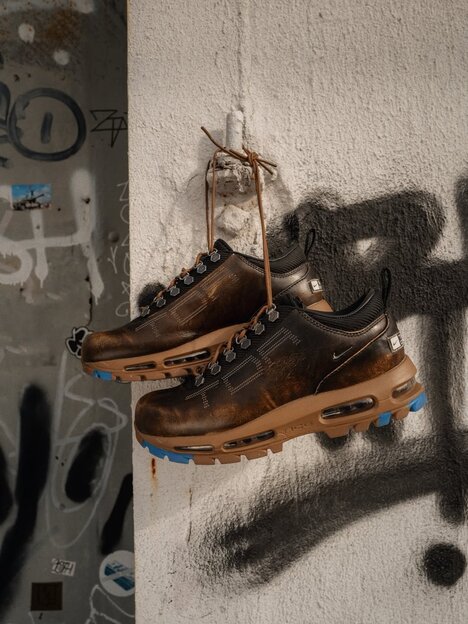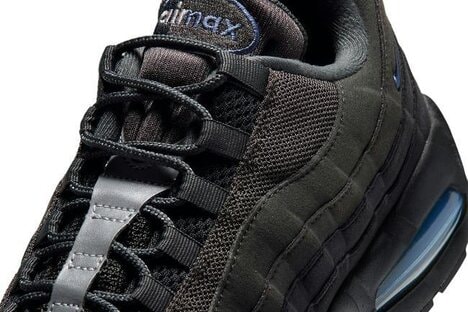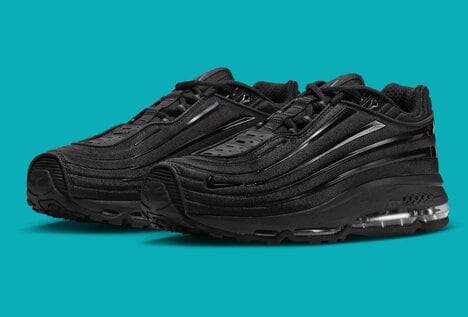
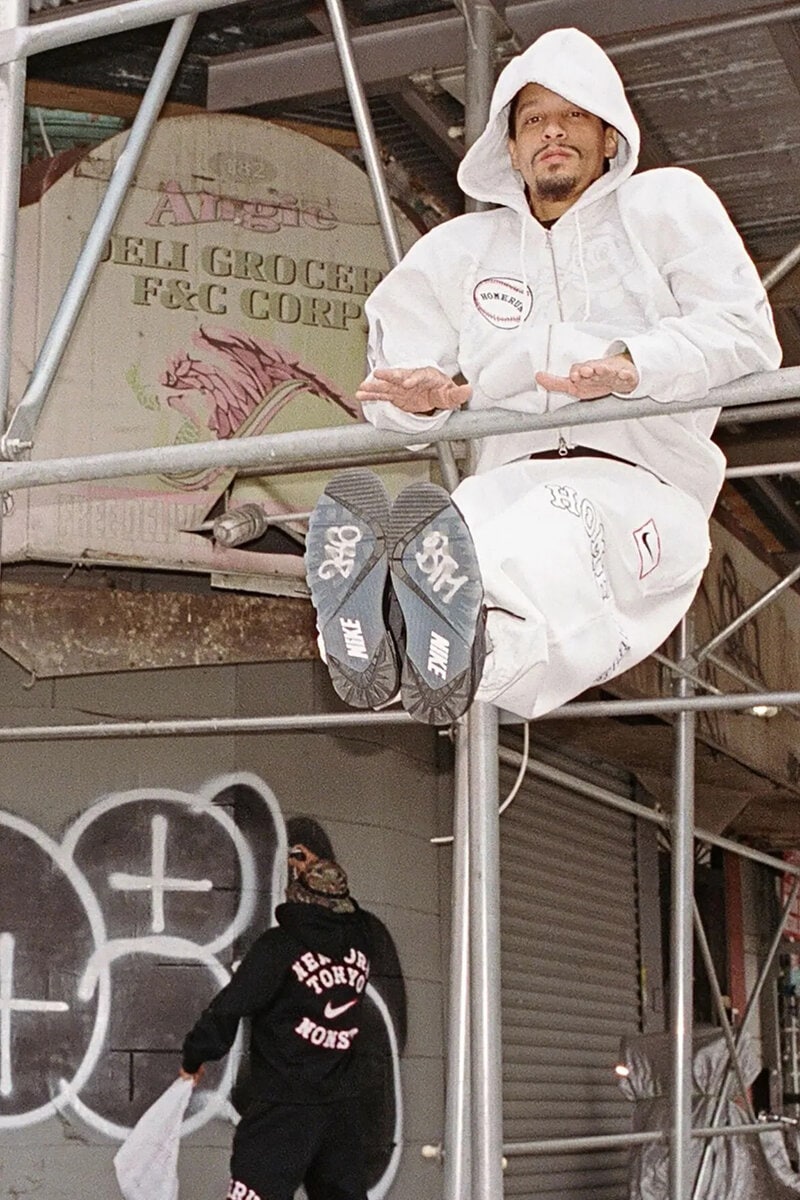
HOMERUN NYC is previewing a Nike Air Trainer SC Low collaboration that brings the dormant cross-training shoe back for NYC runners and sneaker buyers. The pair uses a black upper and white graffiti-style markings tied to the collective's street-and-running identity.
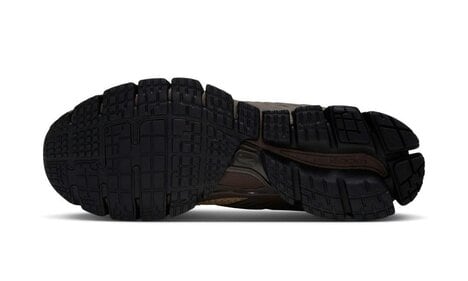
White tagging circles the forefoot on the outsole, and the model choice matters because the Air Trainer SC Low has been shelved for a while. The silhouette dates to the late 1980s and is linked to Bo Jackson, giving HOMERUN NYC a retro sports base for its art-meets-running mix.
The Air Trainer SC Low's return through a Brooklyn running collective turns a retro reissue into a community-coded sneaker drop. The black build and graffiti treatment widen its pull beyond cross-training fans to buyers who track New York running culture closely.
Image Credit: HOMERUN NYC
Key Themes Behind This Trend
- Graffiti-coded Footwear
- Street-art detailing on athletic shoes creates space for limited releases that merge local visual language with performance-inspired silhouettes.
- Community-led Sneaker Drops
- Running collectives and cultural groups are becoming credible launch partners, turning product releases into identity-driven signals for niche urban audiences.
- Retro Training Revivals
- Dormant cross-training models gain renewed relevance when heritage sports stories are reframed through contemporary lifestyle and city culture.
Where This Applies
- Athletic Footwear
- Archival sneaker silhouettes offer brands a way to refresh product pipelines by pairing proven designs with modern cultural collaborations.
- Streetwear
- Graffiti aesthetics and localized creative cues strengthen crossover potential between casual apparel, sneaker collecting, and urban sports communities.
- Running Culture
- Grassroots run clubs and city-based crews are expanding the market for gear that reflects participation, belonging, and neighborhood identity.