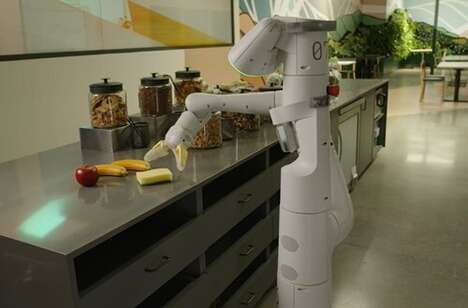
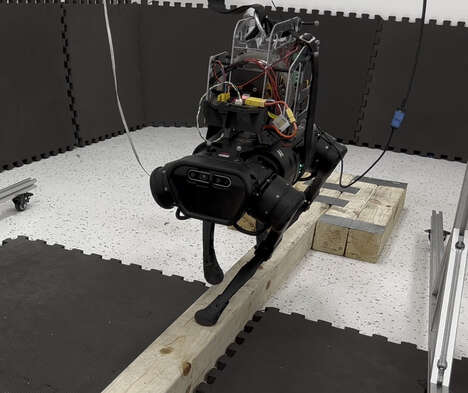
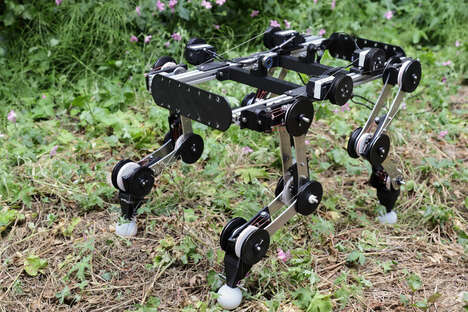
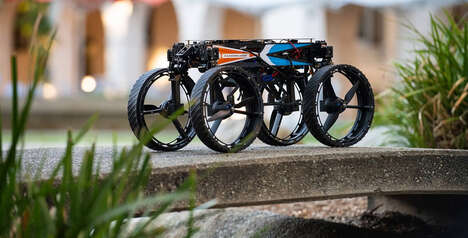
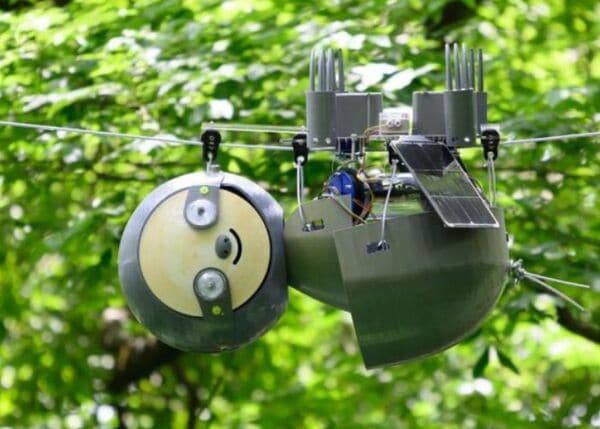
Researchers from Google Robotics were able to create an algorithm that gives robots the ability to self teach walking skills. Specifically, Google Robotics was able to alter pre-existing algorithms, which enabled a robot with four legs to teach itself to walk forwards, backward, as well as turn. The robot was able to teach itself in only a few hours, and testing was done in a real-world environment. Conducting testing in a real environment allows the robot to use trial and error.
The ability to have robots self teach could have significant impacts on the future implementation of robots. In the future, the team of researchers will look towards other algorithms that can be adapted, as well as other models of robots.
Image Credit: Google Robotics
Why This Trend Is Growing
- Self-teaching Robots
- The development of algorithms that enable robots to self-learn various skills, such as walking, has the potential to revolutionize the robotics industry.
- Real-world Testing
- Testing robots in real-world environments allows for faster learning and adaptation, opening up opportunities for more efficient and effective robotic systems.
- Adaptable Algorithms
- Exploring the adaptation of pre-existing algorithms to different tasks and models of robots can lead to rapid advancements in robot learning capabilities.
Industries Being Reshaped
- Robotics
- The self-teaching capabilities of robots have the potential to disrupt the robotics industry by enhancing their ability to learn and perform complex tasks autonomously.
- Artificial Intelligence
- The development of self-taught robot algorithms bridges the gap between robotics and AI, creating new possibilities for autonomous learning systems.
- Automation
- Self-teaching robots can greatly improve automation processes in various industries, leading to increased efficiency, cost savings, and streamlined operations.