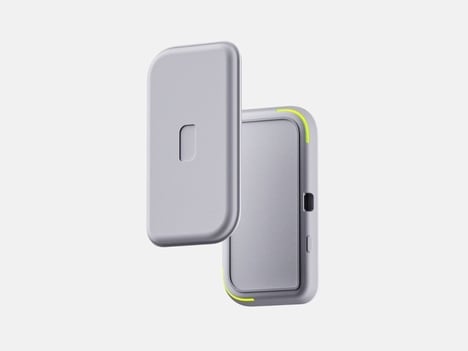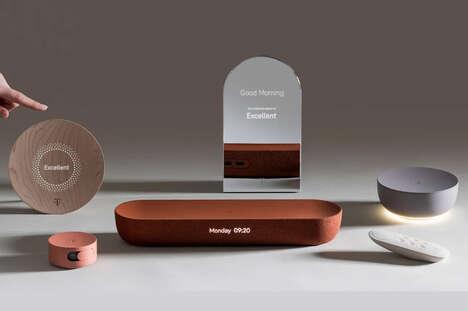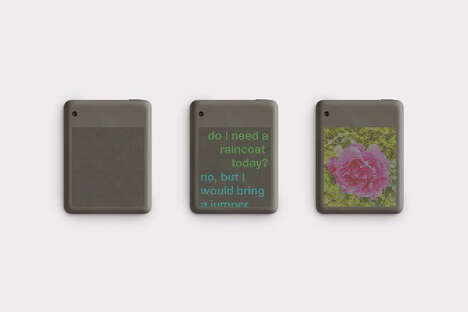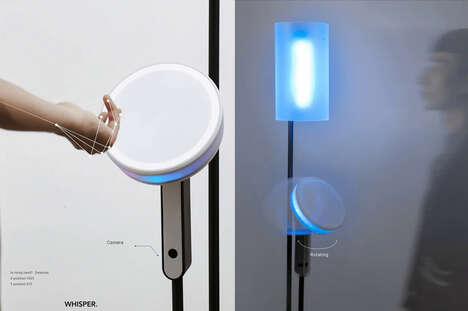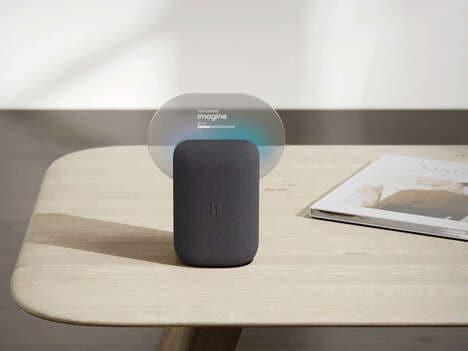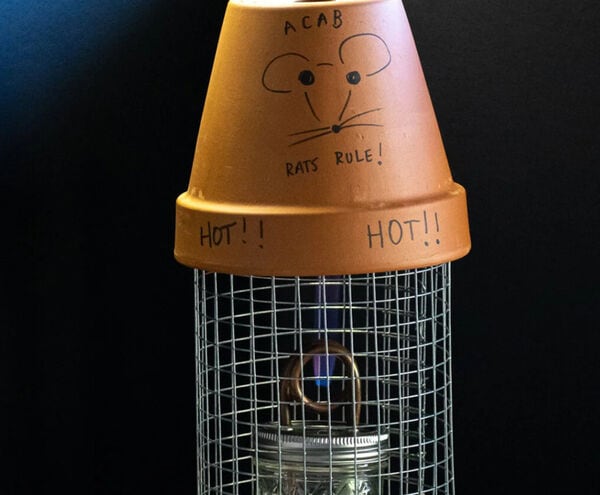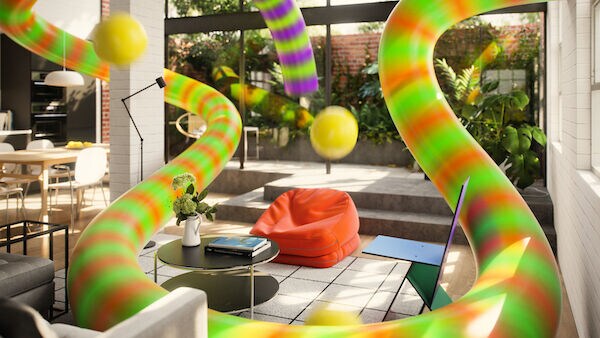
Smart home devices often get the attention of the user in a jarring way using auditory or visual cues, so the Google 'Little Signals' are designed to help highlight a distinctly less distracting alternative.
Designed by the Seed Studio and Map Project Office, the smart devices are imagined in six distraction-free solutions including the Button, Air, Rhythm, Movement, Tap, Shadow and Rhythm. Each of the units will convey information to the user with a gentle indication in the form of a gentle breeze, a soft tap, a discreet visual indicator and more.
The Google 'Little Signals' devices prioritize tranquility in the home and imagine the potential next-generation of smart solutions that are a more organic part of the user's daily routine.
Why This Trend Is Growing
- Distraction-free Smart Devices
- There is an opportunity for the tech industry to produce more smart devices that prioritize tranquility by using less jarring methods of user interaction.
- Organic Smart Solutions
- There is an opportunity for the tech industry to create the next generation of smart devices that seamlessly integrate into users' daily routines.
- Sensory-based Smart Technology
- There is an opportunity for the tech industry to develop smart devices that use sensory cues such as gentle breezes and soft taps to communicate information to users.
Industries Being Reshaped
- Smart Home Industry
- Companies within the smart home industry can improve and expand their product offerings by creating smart devices that prioritize tranquility and seamlessly integrate into users' routines.
- Tech Industry
- The tech industry has an opportunity to develop innovative sensory-based smart devices that provide a less distracting alternative to current smart home devices.
- Interior Design Industry
- The interior design industry could incorporate distraction-free smart devices into their designs, providing a more seamless and harmonious integration of technology into home spaces.