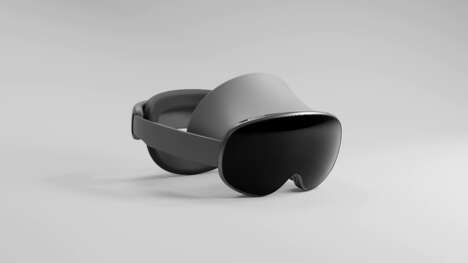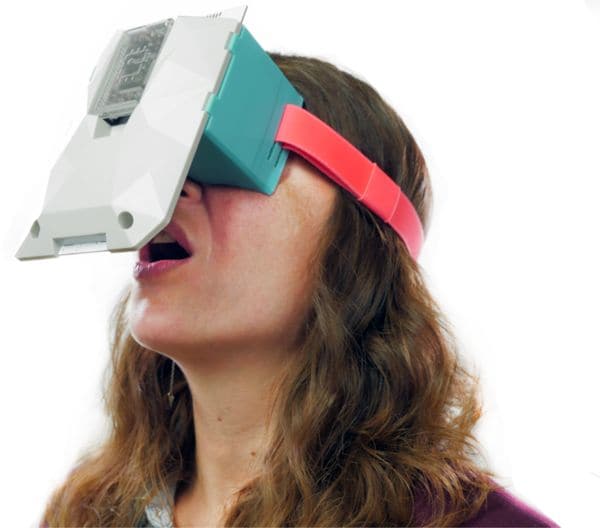
At this year's Google I/O 2015 keynote, the search giant introduced Google Expedition, an initiative that will make it easier for educators to organize cost-effective excursions with virtual technology.
Embarking on an Expedition simply requires enough Google Cardboard headsets for students and a tablet, so that an educator can lead the trip. While students are guided through simulations of being on Mars, swimming through the coral reef or touring the far corners of the globe, educators are able to see where kids are looking and what they are learning. Google's Expedition was built with help from thousands of teachers and students in a range of grade levels to make the experience as educational and as immersive as possible for groups of all ages.
Budget cuts often make out-of-classroom travel impossible, but Google Cardboard proves to be a low-cost way to take kids anywhere without a school bus.
Why This Trend Is Growing
- Virtual Reality in Education
- Integrating virtual reality technology into classrooms offers an immersive and interactive learning experience for students of all ages.
- Cost-effective Field Trips
- Using virtual reality headsets like Google Cardboard allows educators to take students on virtual excursions without the need for expensive transportation and logistics.
- Data-driven Education
- With the ability to track where students are looking and what they are learning, virtual reality learning platforms provide valuable data insights for educators to improve teaching methods.
Industries Being Reshaped
- Education
- The education industry can leverage virtual reality technology to enhance traditional classroom settings and provide students with more engaging learning opportunities.
- Technology Hardware
- As virtual reality headsets become increasingly popular in education, the technology hardware industry can capitalize on the growing demand for affordable and reliable VR devices for classrooms.
- Data Analytics
- Virtual reality learning platforms generate significant data that can be analyzed and utilized by the data analytics industry to provide insights and improve educational outcomes.