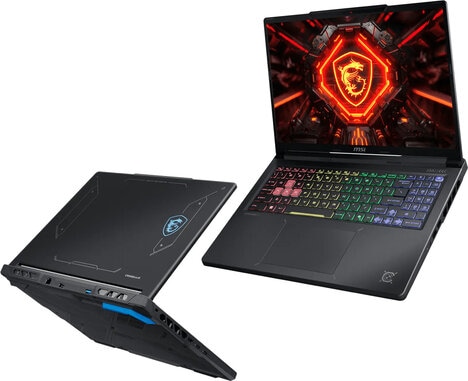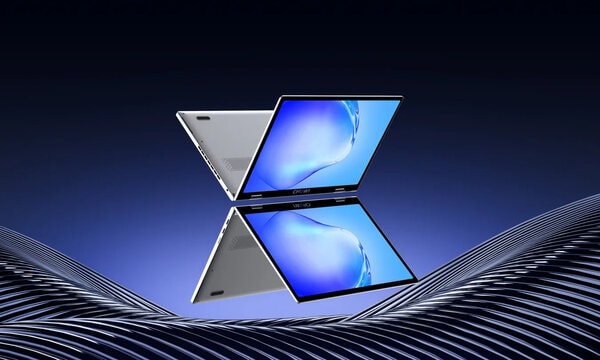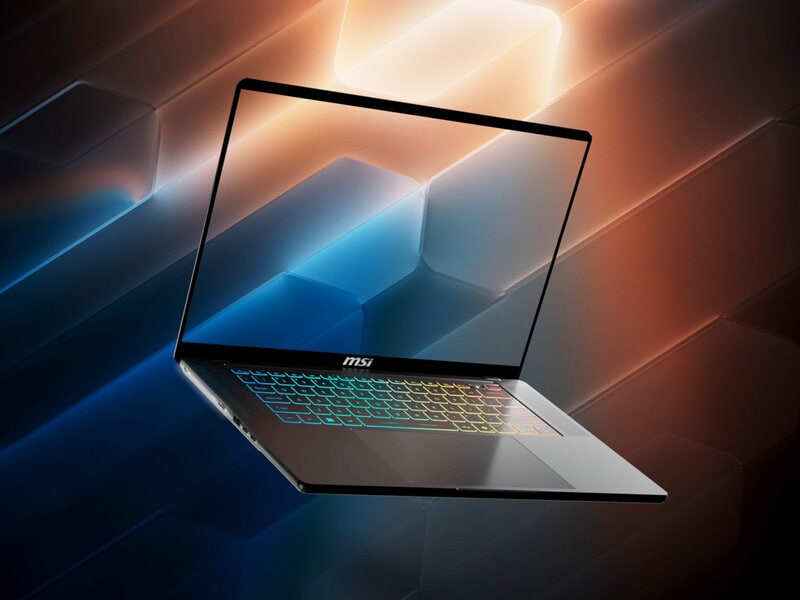
MSI has added a GeForce RTX 5070 option to the Stealth 16, giving players more room to push image quality without jumping to a higher tier. The gaming laptop still uses an OLED screen, a display type known for deep blacks and strong contrast.
This version uses the larger-memory graphics option, which is better suited to heavier modern games and sharper resolutions than the smaller-memory edition. It gives the line a middle ground between entry-focused visuals and the pricier Ti trim, rather than an all-or-nothing jump. It also makes regional pricing worth a closer look, since this memory-focused version is not cheaper than the stronger option everywhere.
Image Credit: MSI
What's Driving This Trend
- Mid-tier Graphics Upscaling
- Laptop makers are expanding performance ladders with memory-rich GPU options that create new pricing spaces between entry visuals and premium configurations.
- OLED Gaming Standardization
- High-contrast OLED panels are moving from niche differentiators into expected gaming-laptop features, reshaping how brands compete on immersion and visual fidelity.
- Region-sensitive Hardware Pricing
- Uneven global pricing for closely related configurations highlights opportunities for smarter localization, channel strategy, and value-based product positioning.
Who This Affects Most
- Gaming Hardware
- Component segmentation in gaming laptops is enabling more nuanced product portfolios that serve players seeking premium performance without flagship costs.
- Consumer Electronics
- Display and GPU combinations are becoming central to device differentiation, creating openings for brands to refine upgrade paths and perceived value.
- Computer Manufacturing
- Modular specification choices across laptop lines are supporting more flexible production strategies while exposing gaps in how performance tiers are marketed.