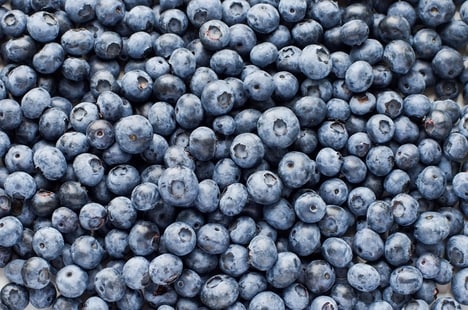

Canadian researchers tested a daily, 40g dose of freeze-dried Saskatoon berries in a 10-week pilot study of healthy adults, featuring whole-fruit anthocyanins and fiber. The trial measured fasting glucose, lipids, blood pressure, inflammation and gut microbiota before and after the intervention.
Participants consumed the berries while keeping usual diets; investigators ran glucose tolerance tests, blood panels and stool sequencing and quantified fecal short-chain fatty acids (SCFAs). Results showed significant reductions in fasting glucose, total and LDL cholesterol, systolic blood pressure and inflammatory markers, alongside increased dietary fiber and vitamin C intake.
Microbiome analysis found a rise in Prevotellaceae and higher SCFA levels, linking berry intake to metabolic and cardiovascular improvements. The study suggests a practical dietary supplement strategy that leverages polyphenols and fiber to support cardiometabolic health, though larger controlled trials are needed to confirm dosing and broader effects.
Image Credit: Scott Prokop / Shutterstock
Key Themes Behind This Trend
- Berry-based Metabolic Supplementation
- Evidence from the pilot trial indicates daily whole-fruit berry doses correlate with improvements in fasting glucose, lipids and blood pressure, suggesting a new category of metabolism-focused dietary regimens.
- Microbiome-modulating Polyphenol Therapies
- The observed rise in Prevotellaceae and SCFA production links berry polyphenols and fiber to gut microbial shifts that could redefine microbiome-targeted interventions for cardiometabolic risk.
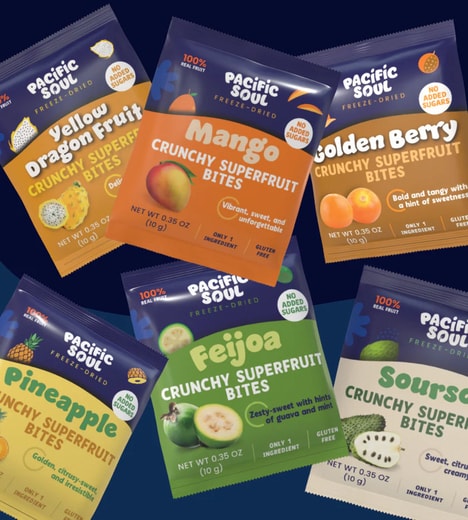
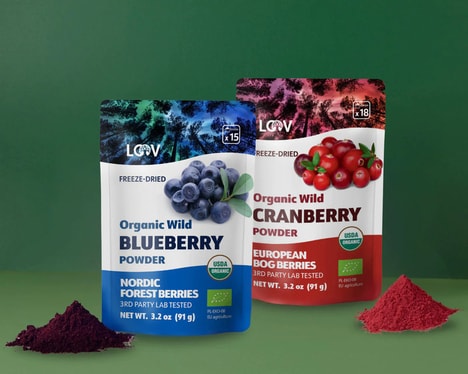
- Freeze-dried Whole-fruit Dosage Forms
- Stable, concentrated freeze-dried formats preserve anthocyanins and fiber, enabling consistent dosing profiles that change how whole-food botanicals are developed and delivered.
Where This Applies
- Functional Food and Beverage
- Product portfolios are being reimagined to include clinically-backed whole-fruit inclusions that promise measurable cardiometabolic benefits from everyday consumption.
- Nutraceuticals and Dietary Supplements
- Supplement formulations could increasingly center on standardized berry extracts and fiber blends that target metabolic markers traditionally addressed by pharmaceuticals.
- Clinical Diagnostics and Biomarkers
- Diagnostic offerings may expand to incorporate dietary-response biomarkers such as SCFAs and specific microbial taxa to personalize nutritional interventions.