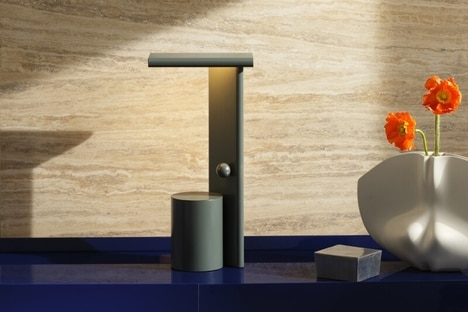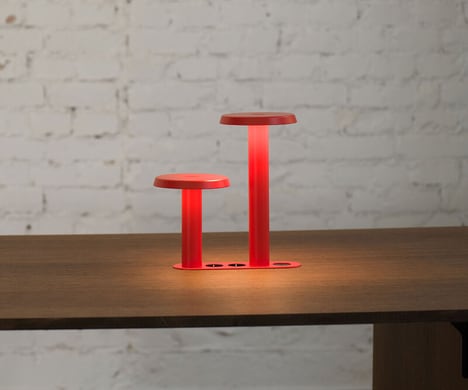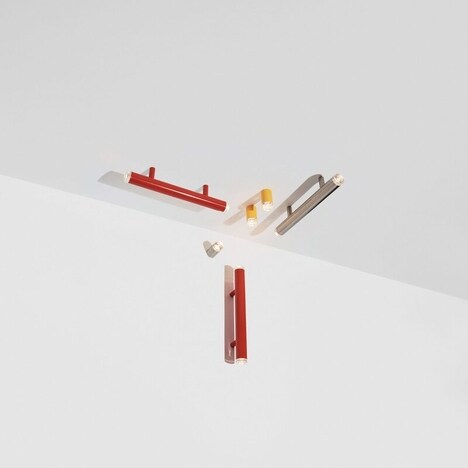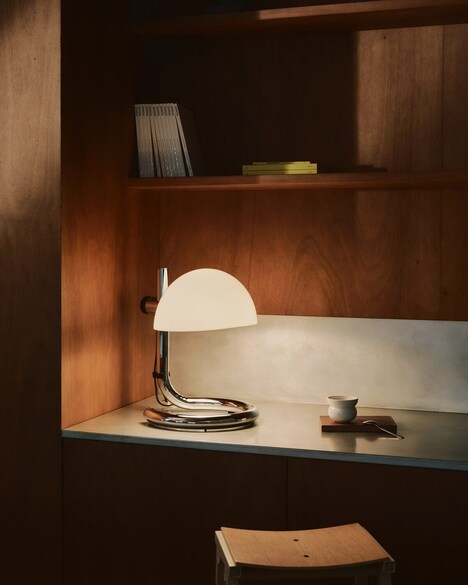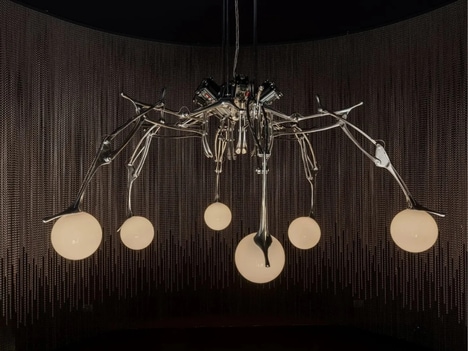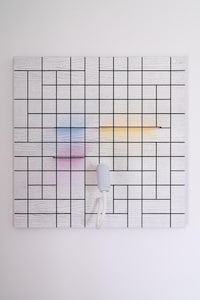
Luminaire Authentik — a Quebec-based female-founded lighting design and manufacturing company — has introduced the Forma Collection. This lighting system reimagines fixtures as a visual language of assembly where structural components like ceiling plates, connection points, and supports are intentionally celebrated rather than concealed. Under Luminaire Authentik’s concept, its designs create a dialogue between minimalism and postmodernist aesthetics.
Luminaire Authentik’s Forma Collection functions as an expandable and reconfigurable system that allows users to build, modify, and grow their lighting compositions over time, with each element serving as a visible part of the overall design rather than being hidden away as a functional necessity. Every fixture is fully customizable through various options for color, wiring, glass globes, and finishes.
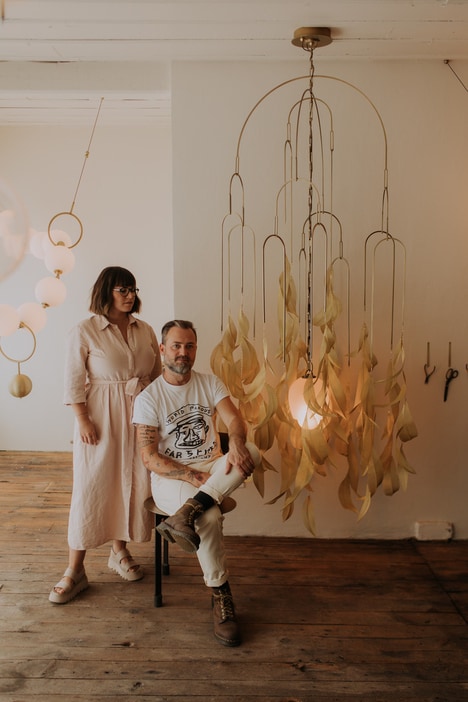
The company prioritizes local production, with all pieces designed and manufactured in its Cowansville, Quebec, workshop, and materials sourced within a 30-kilometre radius of the facility.
Image Credit: Luminaire Authentik
Why This Trend Is Growing
- Modular Lighting Systems
- Expandable fixture architectures create room for interiors products that evolve with changing layouts, tastes, and functional needs.
- Visible Hardware Aesthetics
- Celebrating connection points, supports, and structural components reframes utility as ornament for brands exploring postminimalist design language.
- Localized Design Manufacturing
- Hyperlocal sourcing and workshop-based production support differentiated premium goods with stronger provenance, customization, and supply chain resilience.
Industries Being Reshaped
- Interior Design
- Configurable lighting compositions offer designers more adaptable tools for creating personalized residential, hospitality, and commercial environments.
- Home Furnishings
- Customizable finishes, colors, and components point to furniture and decor categories where consumers expect products to be both expressive and upgradable.
- Architectural Lighting
- Systems that merge technical infrastructure with decorative visibility expand the role of lighting from illumination equipment to spatial storytelling.