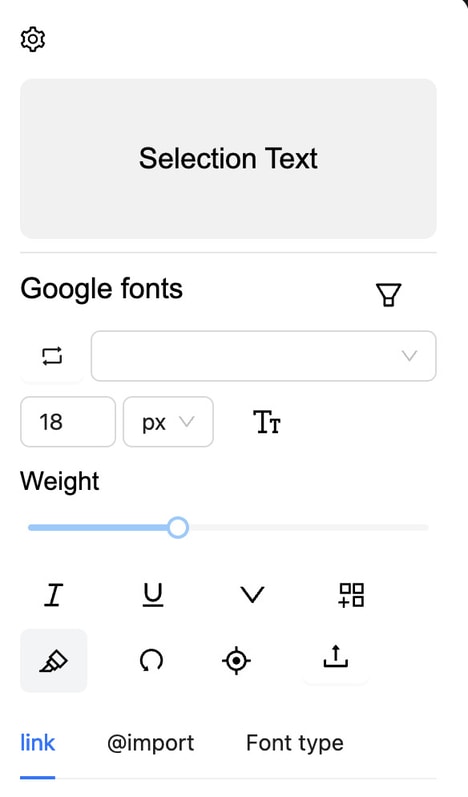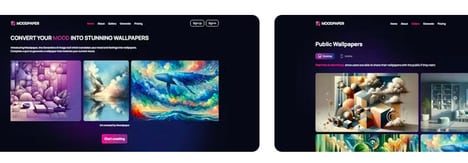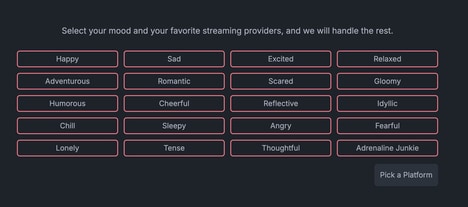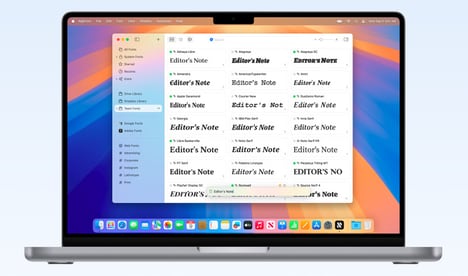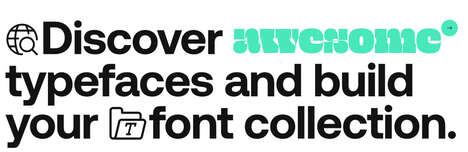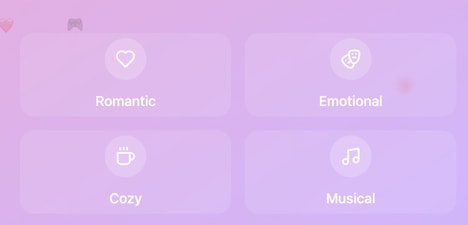
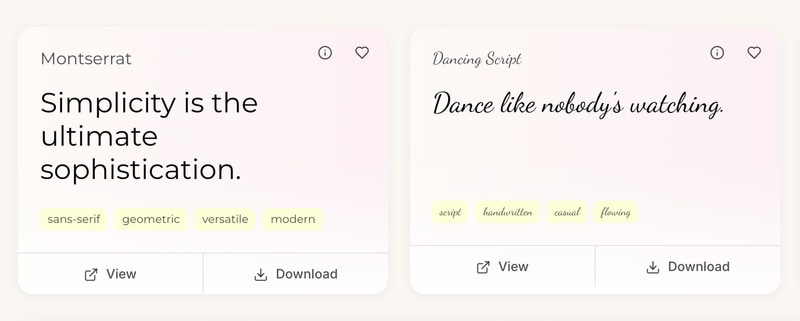
Font Moodify is a digital tool designed to assist designers in selecting typefaces that align with a specific mood or emotional tone. Users can choose from predefined moods or search by keywords to discover fonts that visually convey the desired feeling in their projects. By connecting design intent with typographic options, the platform aims to streamline the font selection process, particularly for branding, marketing, and creative design work.
The tool leverages AI to match emotional cues with appropriate font styles, helping designers reduce time spent browsing type libraries manually. While subjective judgment still plays a key role in creative decisions, Font Moodify provides an accessible starting point for designers seeking consistency between visual language and emotional expression, supporting faster ideation and more cohesive design outcomes.
Image Credit: Font Moodify
Key Themes Behind This Trend
- AI-driven Font Selection
- Leveraging AI for font selection enables designers to synchronize typefaces with emotional tone, enhancing the creative process.
- Emotionally-aware Design Tools
- Design platforms incorporating emotional intelligence simplify the challenge of translating feelings into visual elements.
- Streamlined Creative Workflows
- Integrating mood-based tools into design systems can significantly reduce time spent in the font selection process, optimizing efficiency.
Where This Applies
- Graphic Design
- The graphic design industry benefits from tools that connect emotional intent with visual elements, making branding more intuitive.
- Marketing and Advertising
- In the marketing sphere, mood-aligned typography can enhance brand storytelling by ensuring font choices resonate with target audiences.
- Artificial Intelligence
- Advancements in AI are transforming typeface selection by infusing it with cognitive abilities to understand and match mood and style.