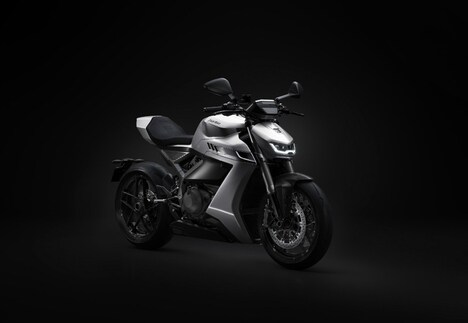
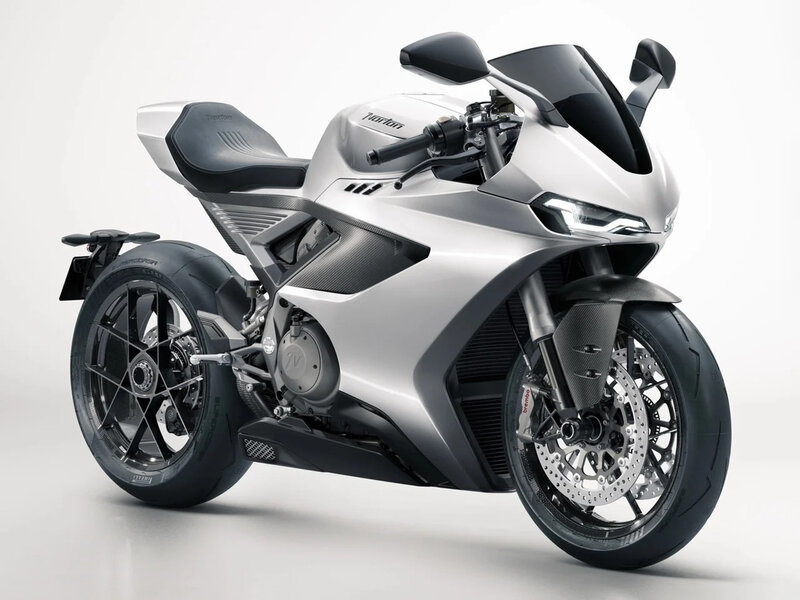
Norton is bringing superbike riders a more design-led flagship bike with the Manx R in its comeback, replacing the rounder V4SV with a body free of visible winglets and most exposed fasteners. Five layers of paint cover the panels, enough to affect how the pieces fit.
A 206-hp V4 tuned for the midrange aims at road use rather than peak-number chasing and keeps the bike compact. Metal switchgear adds a more tactile feel, and the bike is already reaching UK and European dealerships ahead of an expected early 2027 U.S. arrival.
At £20,250 in the UK, the Manx R turns finish quality into part of the superbike buying decision, not just speed. Its cleaner bodywork gives Norton a distinct pitch for superbike riders who want high performance without overt aero.
Image Credit: Norton Motorcycles
What Makes This Trend Stand Out
- Design-led Superbikes
- Premium motorcycles are elevating sculptural bodywork, hidden hardware, and refined proportions as differentiators in a segment traditionally dominated by aerodynamic aggression.
- Tactile Performance Interfaces
- Metal switchgear and higher-quality touchpoints introduce opportunities for rider-focused luxury cues that make superbikes feel more crafted and emotionally engaging.
- Finish-quality Competition
- Multi-layer paint systems and precision panel fit shift performance branding toward craftsmanship, creating space for premium differentiation beyond horsepower metrics.
Sectors Adopting This
- Motorcycle Manufacturing
- Superbike makers are blending road-focused power delivery with luxury detailing, opening new positioning between track-bred machines and high-end grand tourers.
- Automotive Coatings
- Advanced layered paint applications can become a visible performance-luxury signal as brands treat surface depth, durability, and fit tolerance as product features.
- Luxury Mobility
- High-end vehicle categories are increasingly shaped by material tactility and understated design, suggesting demand for performance products that avoid overt visual excess.