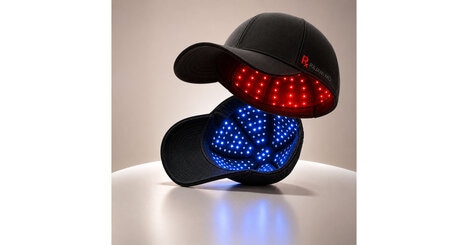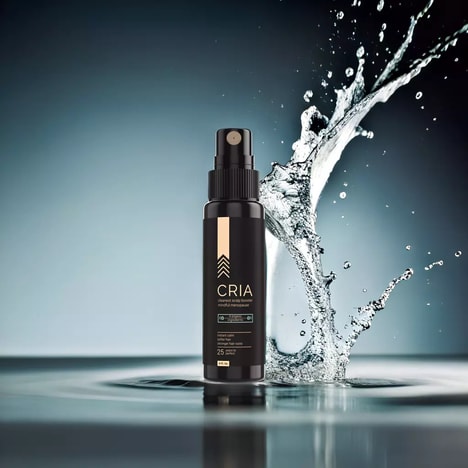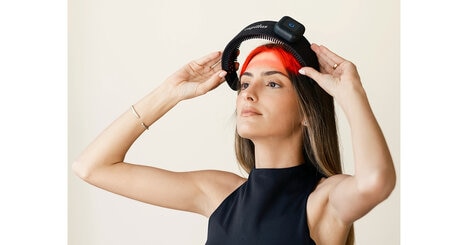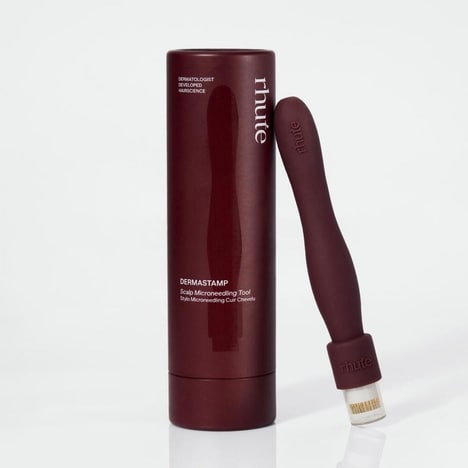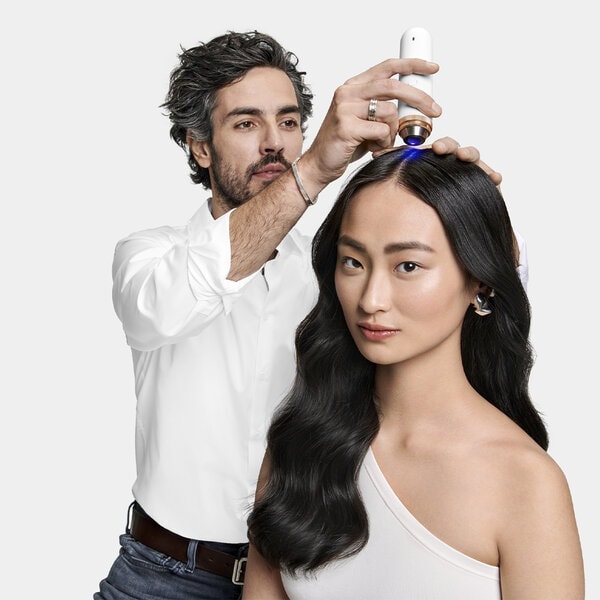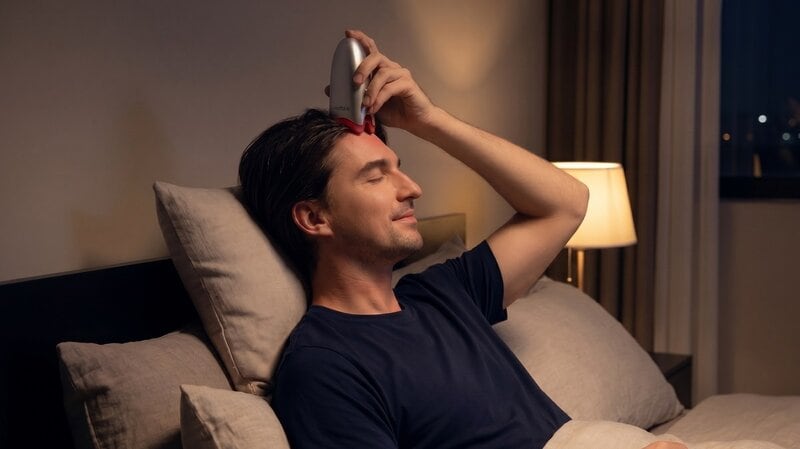
Rootique designed its ‘Duo (Gen 2)’ as a scalp applicator for people who use minoxidil or other watery scalp tonics every day. Instead of pooling in the hair, it sends the formula out as a fine spray while a tracing tip parts the strands, helping the tonic reach the scalp with one hand.
A 15-second run dispenses 1 mL, then ends with a double beep so dosing stays consistent. Rootique sizes the spray down to 0.005 mm particles and says lab testing with 5% minoxidil showed up to 3.5 times the absorption of hand application. A built-in red LED and separate tonic and serum modes broaden the device beyond a single formula.
Rootique shows how a fixed dose and hair-parting tip can move scalp applicators closer to personal-care device convenience, while a $148 price turns a messy treatment step into a measured gadget purchase.
Image Credit: Rootique
What Makes This Trend Stand Out
- Precision Scalp Dosing
- Fixed-volume dispensing transforms topical hair treatments into measurable routines, creating space for devices that improve compliance, reduce waste, and differentiate everyday formulations.
- Mist-based Topical Delivery
- Ultra-fine spray systems are reshaping how liquid treatments reach skin and scalp, opening opportunities for enhanced absorption claims and cleaner application experiences.
- Hybrid Haircare Devices
- Combining applicators with LEDs, mode settings, and formula compatibility reflects a shift toward multifunctional beauty tools that blur the line between treatment and technology.
Sectors Adopting This
- Haircare
- Targeted scalp delivery devices introduce premium hardware models into a category traditionally led by shampoos, serums, and topical regimens.
- Personal-care Technology
- Connected-style convenience, automated dosing, and ergonomic design point to new product ecosystems built around daily self-care rituals.
- Pharmaceuticals
- Drug-compatible applicators for products like minoxidil suggest potential for improved adherence and differentiated delivery formats for over-the-counter treatments.