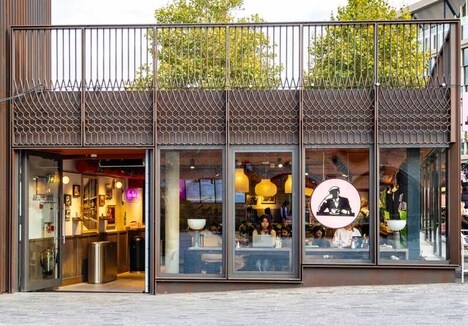
Jollibee, the global Filipino fast-food chain known for its signature fried chicken and joyful dining experience, is set to open a new location in downtown San Francisco at 934 Market Street on Friday, July 31, 2026. This marks a significant milestone in the brand's North American expansion strategy in a region that has been central to its growth since it opened its very first U.S. location in nearby Daly City nearly three decades ago.
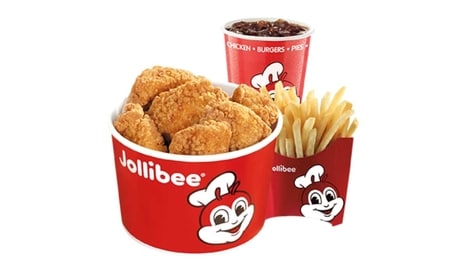
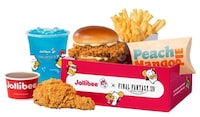
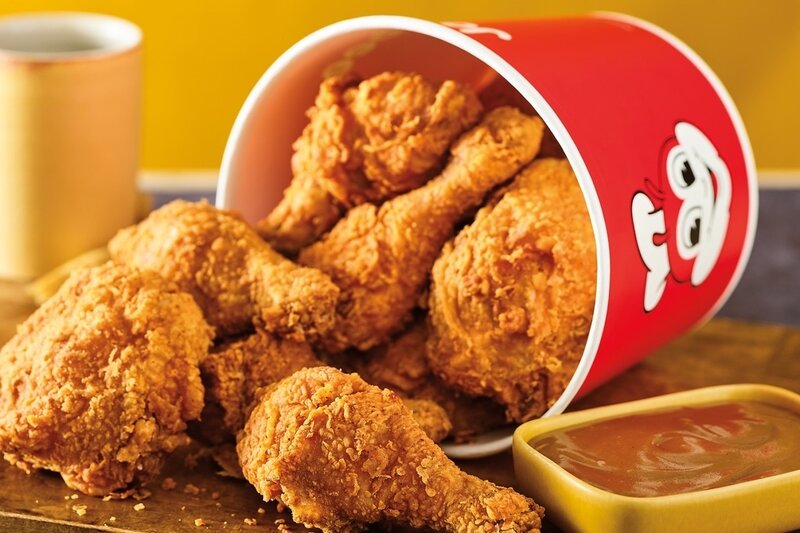
The new Filipino fast-food restaurant, situated just steps from the Powell Street BART station, will offer the chain's most beloved menu items including its signature Chickenjoy fried chicken, which is hand-breaded for a crispy exterior and marinated for juicy, flavorful meat, as well as its Original and Spicy Chicken Sandwiches served on toasted brioche buns with umami mayo, and the iconic Peach Mango Pie with its golden-brown crust and sweet fruit filling.
Image Credit: Jollibee
Key Themes Behind This Trend
- Diaspora-driven Dining
- Filipino-American communities are creating fertile ground for heritage fast-food brands to scale localized menus, cultural nostalgia, and community-centered restaurant experiences.
- Transit-hub Restaurants
- High-foot-traffic locations near public transportation are becoming strategic sites for fast-service chains seeking convenience-led growth and commuter meal occasions.
- Premium Comfort Fast Food
- Signature items such as hand-breaded fried chicken, brioche sandwiches, and fruit-filled desserts reflect rising demand for elevated yet familiar quick-service meals.
Where This Applies
- Fast-food Restaurants
- Global chains are expanding through culturally distinct formats that differentiate crowded quick-service markets with recognizable hero products and regional brand stories.
- Foodservice Franchising
- International franchise systems are finding growth opportunities in North American cities where established diaspora demand can reduce market-entry uncertainty.
- Commercial Real Estate
- Downtown retail corridors near transit stations are gaining relevance as restaurant tenants seek accessible spaces that combine visibility, convenience, and recurring customer flow.