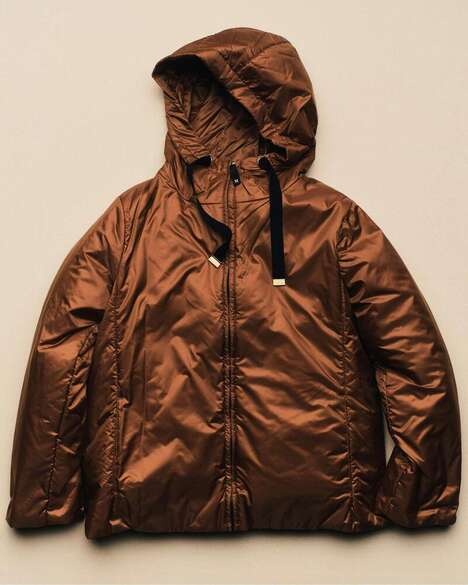


Adding to the natural fiber sweaters that are currently available to consumers, biomaterial technology company Nanollose is introducing an innovative new style made from sustainable coconut waste. The unique new sweater has the potential to inspire manufacturers and designers who are looking to incorporate more eco-friendly and ethical materials into their work.
While cotton is commonly used within the world of fashion, it has its own environmental drawbacks, as do animal-derived fibers. The new coconut fiber waste material, dubbed Nullarbor, has the potential to sidestep many of these setbacks—especially as the making of viscose rayon fibers requires 150 million trees to be cut down annually and according to Nanollose, Nullarbor needs no trees and boasts a much smaller environmental footprint.
In the coming months, Nanollose will be increasing its production of Nullarbor to support brands and companies with a sustainable outlook.
What's Driving This Trend
- Sustainable Fashion
- Nanollose's coconut fiber sweaters may inspire manufacturers and designers to incorporate more eco-friendly and ethical materials into their work.
- Alternative Materials
- The introduction of Nullarbor, a coconut fiber waste material, has the potential to offer a more sustainable alternative to traditional fashion fibers.
- Circular Economy
- The use of coconut waste to create a new material for clothing production could promote a more circular economy approach in the fashion industry.
Who This Affects Most
- Fashion
- Nanollose's coconut fiber sweater and the development of Nullarbor could disrupt the fashion industry by introducing a new, eco-friendly material for clothing production.
- Sustainable Manufacturing
- Nanollose's development of Nullarbor has the potential to inspire sustainable manufacturing practices that utilize alternative materials and promote a circular economy approach.
- Environmental Technology
- The introduction of Nullarbor and the utilization of coconut waste for clothing production may present opportunities for environmental technology companies to innovate in the development of sustainable materials.