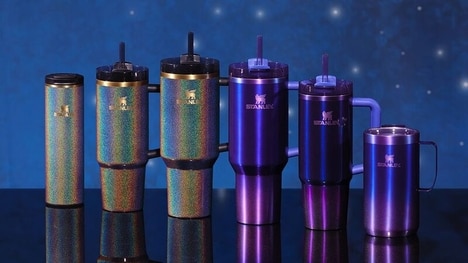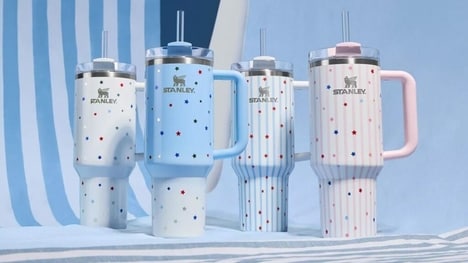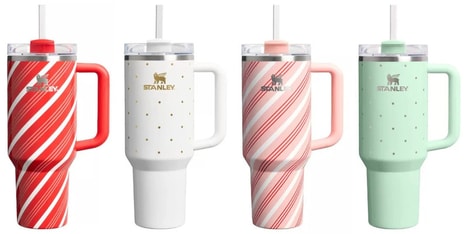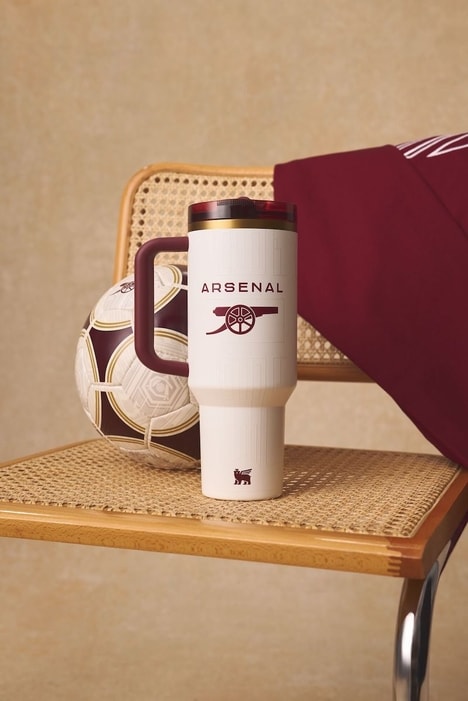
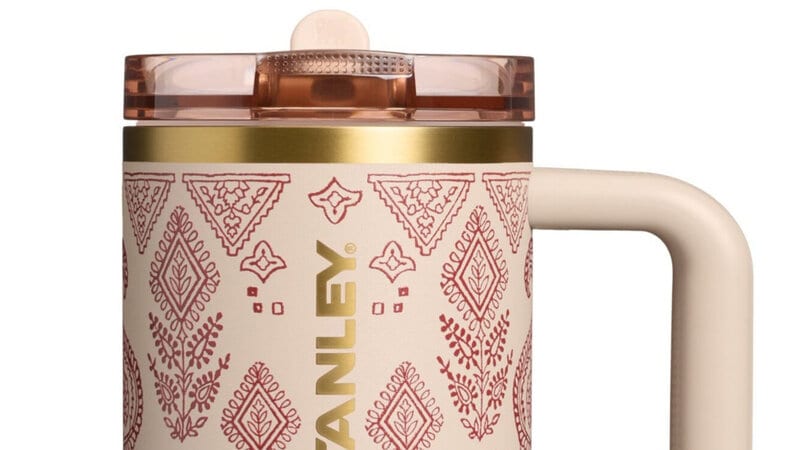
Stanley 1913 is expanding drinkware with its first Diwali Collection, a reusable cup line made with Nest and textile designer Padmini Govind of Bangalore's Tharangini Studio. The collaboration brings Diwali-inspired heritage patterns to Stanley's leakproof formats, giving everyday drinkware a more culturally specific holiday look. It ties the Festival of Lights to a category that often leans on broad seasonal themes.
Deepa Rose and Deepa Brown Sugar give the drop a warmer, more dressed-up feel, which makes the pieces read less like standard hydration gear and more like display-worthy keepsakes between uses. Building the artwork from older Tharangini patterns adds a sense of origin, rather than treating the holiday as a quick surface update.
For shoppers, this means festive drinkware now comes with a stronger story behind the surface design, not just another color shift. It also nudges expectations toward cups that feel curated and culturally grounded, not just seasonal.
Image Credit: Stanley
Key Themes Behind This Trend
- Culturally Specific Drinkware
- Heritage-led motifs in everyday hydration products create white space for brands to move beyond generic seasonal palettes into more meaningful, identity-rich limited editions.
- Keepsake Utility Products
- Functional goods that double as display-worthy objects point to demand for everyday items with collectible value, emotional resonance, and giftable permanence.
- Artisan Brand Collaborations
- Partnerships with regional designers and craft studios introduce provenance into mass-market products, strengthening authenticity while differentiating familiar categories.
Where This Applies
- Reusable Drinkware
- The category is evolving from performance-led bottles and tumblers toward lifestyle accessories shaped by culture, celebration, and personal expression.
- Holiday Retail
- Festival-specific product drops reveal growth potential in nuanced celebrations that serve distinct communities rather than broad, one-size-fits-all seasonal merchandising.
- Textile Design
- Traditional print archives are becoming a source of commercial innovation as patterns migrate from fabrics into consumer goods, packaging, and lifestyle formats.