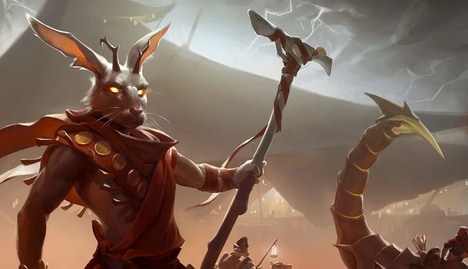
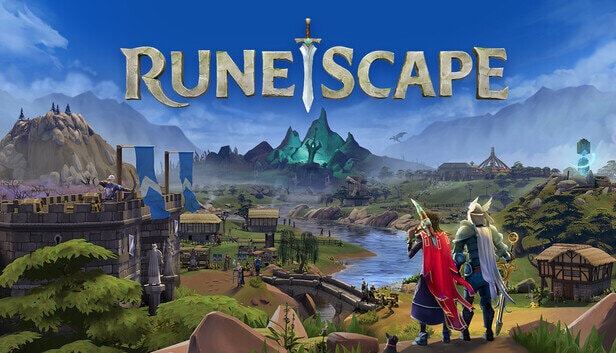
Jagex is developing community-built fantasy MMORPGs with RS4, the working title for its fourth-generation RuneScape project. Built in Unreal Engine, the new game will offer an independent experience set within Gielinor rather than replacing RuneScape, Old School RuneScape or Dragonwilds. RS4 begins in Ashenfall years after the events of Dragonwilds and will retain principles such as permanent progression and community-driven development.
Rather than waiting until the game approaches release, Jagex is bringing players into the development process several years early. This approach allows the studio to gather feedback, test ideas and shape features alongside an established community. For Jagex, RS4 can expand the RuneScape franchise without disrupting its existing titles, potentially attracting new audiences while encouraging current players to move between multiple experiences. Early community participation could also strengthen long-term engagement and reduce the risk of developing features that conflict with player expectations.
Image Credit: RuneScape
What's Driving This Trend
- Community-co-created Games
- Player involvement during early production creates space for studios to validate mechanics, lore, and progression systems before costly development decisions become fixed.
- Persistent Franchise Worlds
- Independent games set within shared universes can expand fan engagement while preserving legacy titles and reducing cannibalization across player communities.
- Early-access Development Loops
- Years-long feedback cycles give developers richer behavioral insight and enable more adaptive game design around evolving audience expectations.
Who This Affects Most
- Video Games
- Large studios can use community-led development models to lower launch risk and build stronger retention before a title reaches market.
- Online Entertainment
- Connected fantasy worlds offer new ways to extend digital participation across multiple platforms, formats, and audience segments.
- Game Technology
- Advanced engines such as Unreal enable established franchises to modernize visual experiences while supporting scalable experimentation with player-shaped content.