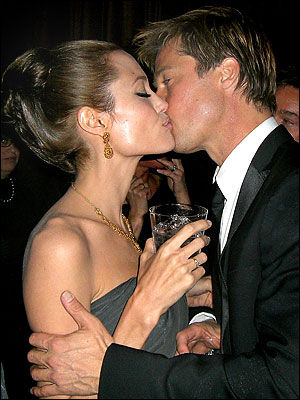
Similar to the Fakebook scandal between Angelina and fake Kate Winslet, humorous Twitter fans have assumed the identity of Aussie celebrities and politicians for a laugh.
Currently there are three Kylie Minogue Twitter identities: @KylieM: “Andrew called about the Eurovision thing ... I gave him Mickey’s number for choreography.” OK, not that funny.
OR fake Nick Cave - @nickcave: “Working on a jingle for a Meow Mix commercial. ‘I felt you coming, cat, as you drew near… I knew you’d find me, cos I feed you here’.” *grin*
Australian Prime Minister Kevin Rudd hasn’t been spared. @kevinrudd says: “It’s raining in Sydney. Does that mean I don’t have to worry about working out a water policy?”
What's Driving This Trend
- Fake Celebrity Networking
- Creating a platform that allows celebrities to have verified accounts will enable genuine interaction with fans.
- Humor in Social Media
- Bridging the gap between humor and social media has the potential to create engaging content to attract and maintain a loyal fanbase.
- Identity Verification on Social Media
- Implementing measures that will guarantee identity verification on social media platforms can curb the spread of fake celebrity profiles.
Who This Affects Most
- Social Media
- There is a need to develop strategies that will ensure the safety and genuineness of social media profiles.
- Entertainment
- Creating humor-centric content can help entertainers establish an authentic and engaging online presence.
- Cybersecurity
- Developing robust identity verification measures can enhance cybersecurity in digital and social media platforms.