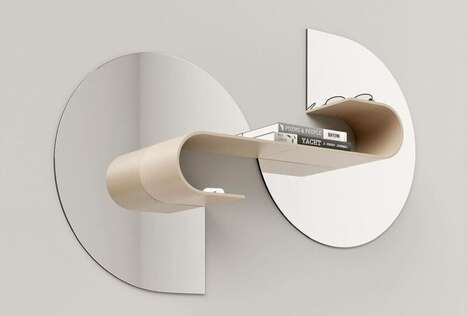
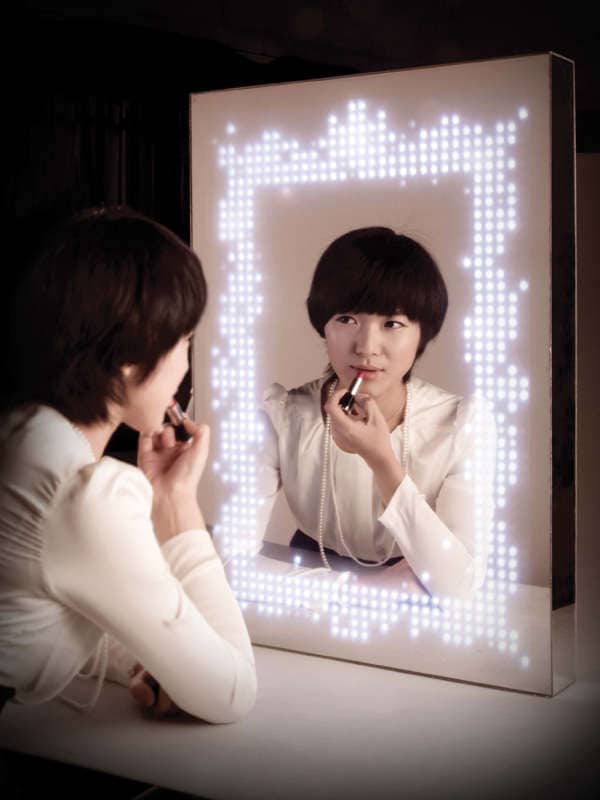
Hauntingly creative is the term that best describes the Fading Mirror. The Fading Mirror works just like a normal mirror with the exception that the mirror image becomes blurrier the farther it gets from the center.
The Fading Mirror was designed by Amsterdam-based designer Thomas Eurlings. The mirror is made with a printed gradient underneath the class. This extra layer gives the design its uniquely fuzzy look. This design looks to be done as art for the sake of art, but I could see it being popular outside of galleries. Design aficionados and even normal consumers are always looking for a quick and easy way to add some spice to their homes. A mirror that doesn't draw too much attention to itself until looked into would go well with today's modern and minimalist homes.
What's Driving This Trend
- Blurred Reflections
- The trend of incorporating blurred reflections in design offers an opportunity for innovative and artistic home decor products.
- Fuzzy Aesthetics
- The growing demand for fuzzy and visually ambiguous designs opens new avenues for creative and unconventional home furnishings.
- Subtle Visual Intrigue
- The trend of incorporating subtle visual intrigue in everyday objects creates opportunities to captivate consumers with understated yet engaging designs.
Who This Affects Most
- Home Decor
- The home decor industry can capitalize on the popularity of blurred reflections by introducing unique, art-inspired mirrors and decor items that add visual intrigue to modern interiors.
- Design
- The design industry can explore the fuzzy aesthetics trend to create avant-garde products that challenge traditional design norms and attract consumers seeking unconventional visual experiences.
- Art Galleries
- Art galleries can showcase and sell the Fading Mirror and similar blurry reflection artworks, tapping into the demand for hauntingly creative and visually unique pieces.