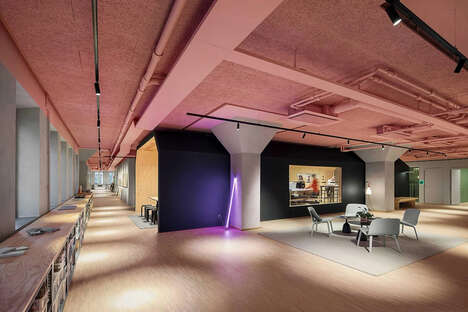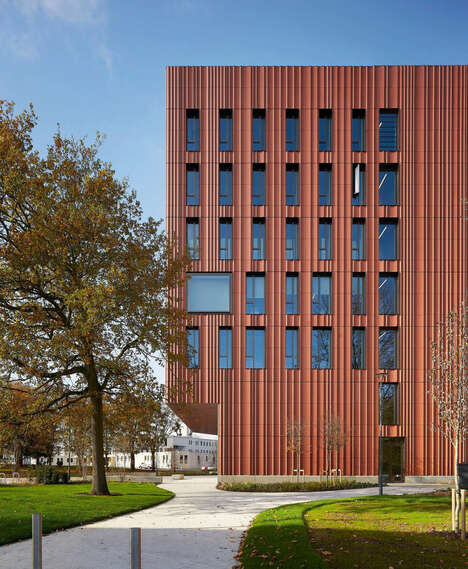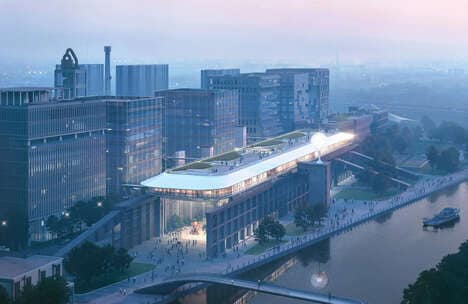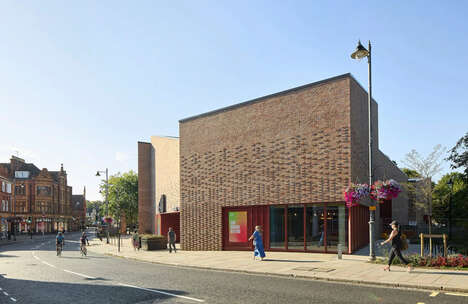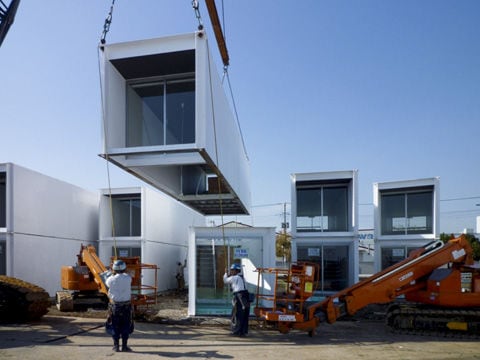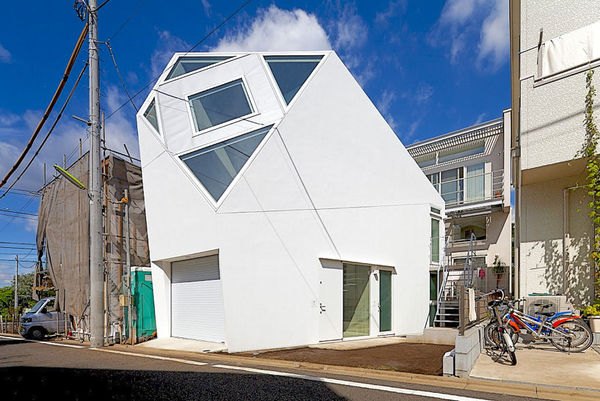

Once one of the largest car manufacturing plants in the United Kingdom, the Factory Arts Center has received a dramatic face-lift and has been rebuilt from the ground up to become Birmingham's biggest youth recreation area. Complete with dance studios, recording studios, cafes and sports facilities, this building has become a mecca for creative minds.
Designed by Steven Chilton of Marks Barfield Architects, who is most known for building the London Eye, the Factory Arts Center is built from fiber-reinforced concrete walls and features a plywood interior. Definitely not like the youth centers from my home city!
What Makes This Trend Stand Out
- Youth Recreation Centers
- The rise of youth recreation centers that incorporate creative facilities such as dance studios and recording studios can serve as a disruptive innovation opportunity for the recreation industry.
- Revitalized Factory Spaces
- The use of old factories for purposeful public spaces such as the Factory Arts Center presents an opportunity to utilize previously abandoned urban structures as community assets.
- Jagged Architecture Design
- The use of jagged and highly unique and innovative architectural designs using materials such as fiber-reinforced concrete and plywood can serve as an opportunity for the construction and architecture industry to create visually arresting facilities.
Sectors Adopting This
- Recreation
- The recreation industry can innovate by creating youth recreation centers that cater to both physical fitness and creative endeavors.
- Real Estate
- The real estate industry can take advantage of abandoned factories and repurpose them into valuable community centers.
- Construction and Architecture
- The construction and architecture industry can experiment with uncommon materials and more unique designs inspired by the Factory Arts Center to create highly memorable public structures.