It's easy to feel anonymous in heavily trafficked areas like the Subway but a new facial recognition subway line in Brazil is aiming to change that.
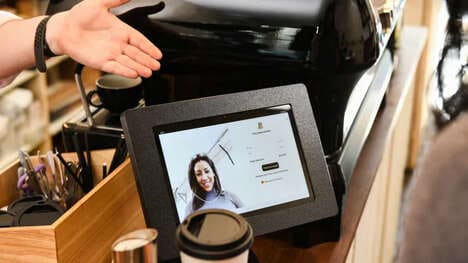
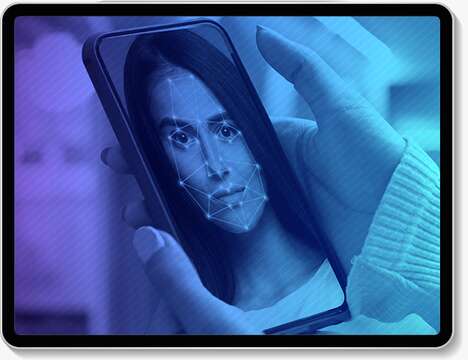
The new technology has been implemented in São Paolo, Brazil and has since sparked a controversial discussion. The newly installed doors feature unique facial recognition technology that can track the mood of each rider, categorizing individuals as "happy, unsatisfied, surprised and neutral." In addition, the technology can track the number of unique visitors, while collecting data regarding the average age and gender of each guest.
Currently, Brazil has no laws to prohibit the use of this technology in an area as heavily trafficked and necessary as the subway. However, the Personal Data Protection Bill, which is currently under review, may lead to new regulations regarding the new facial recognition subway line.
Image Credit: Rafael Dias Katayama
Key Themes Behind This Trend
- Facial Recognition Subway Lines
- The implementation of facial recognition technology in public transportation can be a trend in other cities to improve safety and passenger experience.
- Mood-tracking Technology
- The development of technology that can track passenger moods could be used by brands to personalize advertising and marketing strategies.
- Privacy Regulations in Public Spaces
- As facial recognition technology becomes more common in public spaces, we can expect new regulations to protect individual privacy and data.
Where This Applies
- Transportation
- Facial recognition technology could lead to opportunities to make public transportation more efficient, personalized and secure.
- Advertising and Marketing
- Mood-tracking technology can help brands to create more targeted and relevant ads to customers.
- Data and Privacy
- Data collection and privacy regulations will play a crucial role in the development and implementation of facial recognition technology in public spaces.