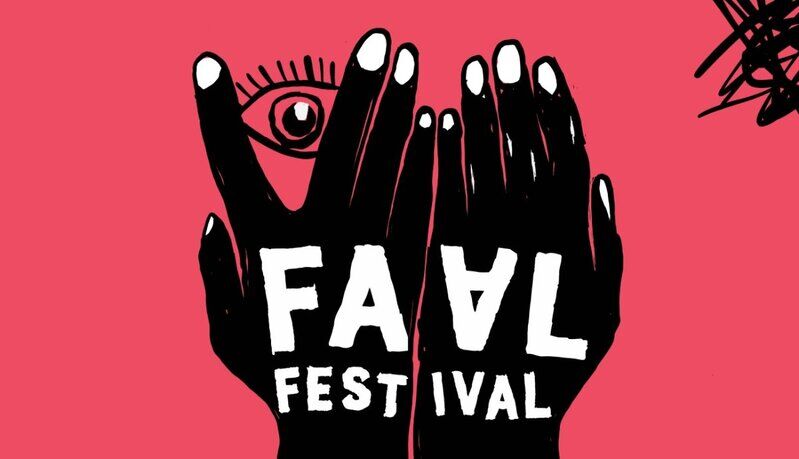
Faal Festival was organized by Utrecht University, TivoliVredenburg, and the Institute for Failure Studies. The Dutch event aimed to "break the taboo on failure," quite literally.
Faal Festival strived to open up productive conversations about the immense pressure to be perfect that many individuals feel in their day-to-day. The event provided a space for imperfections to be expressed and even celebrated in the public realm, openly and without judgment.
Faal Festival's programming included a talk by Thijs Launspach on the performance society and panels on performance pressure. The event also included playful hands-on activities that allowed attendees to embrace their most imperfect selves—from Faalfitness and Fuck-Up talks to the We-can-also-not-draw club and the Bumbling Speeddate café.
Image Credit: Faal Festival
What's Driving This Trend
- Failure-accepting Culture
- Promoting a culture that embraces failure as an opportunity for growth and learning can lead to disruptive innovation in various industries.
- Resilience and Mental Health
- Addressing the pressure to be perfect and promoting conversations about mental health can lead to disruptive innovation in industries such as healthcare, wellness, and education.
- Imperfection as Authenticity
- Recognizing and celebrating imperfections as a way to foster authenticity can lead to disruptive innovation in industries such as marketing, branding, and personal development.
Who This Affects Most
- Education
- Creating educational programs and environments that encourage failure as a part of the learning process can lead to disruptive innovation in the education industry.
- Wellness
- Developing wellness initiatives and services that focus on resilience, mental health, and embracing imperfections can lead to disruptive innovation in the wellness industry.
- Marketing and Branding
- Integrating imperfection and authenticity into marketing and branding strategies can lead to disruptive innovation in the marketing and branding industry.