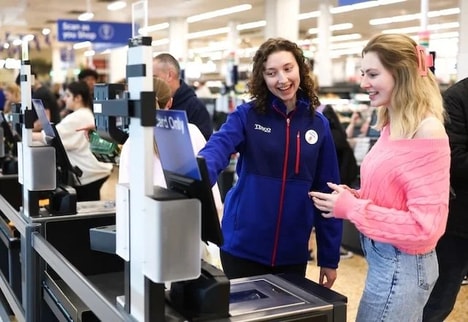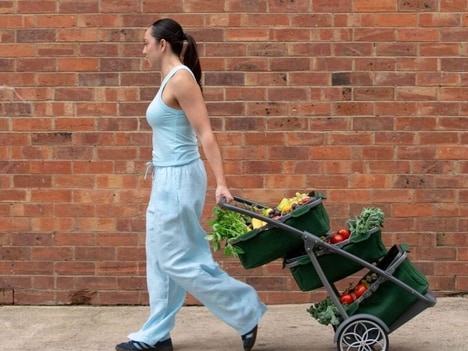
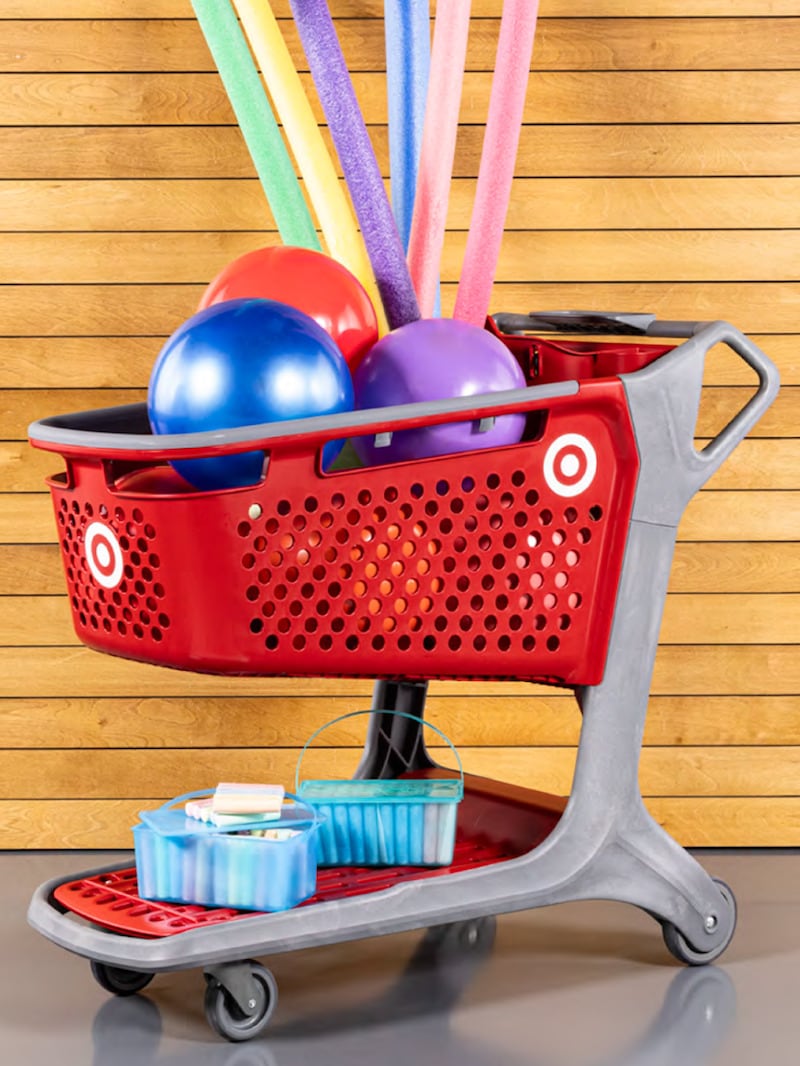
The experience-focused retail carts introduced by Target demonstrate how retailers are increasingly redesigning everyday store infrastructure around convenience, comfort and sustainability. The new shopping carts feature ergonomic handles, smoother maneuverability, larger cupholders, expanded basket capacity and deeper child seating designed to improve the in-store experience for families and bulk shoppers. Target also incorporated recyclable materials and modular replaceable components that extend the cart’s lifespan while reducing waste and long-term replacement costs.
The redesign reflects the growing demand for customer-centered retail environments that prioritize usability alongside operational efficiency. As retailers compete more heavily on in-store experience, companies may increasingly modernize overlooked physical touchpoints such as carts, baskets and checkout systems to strengthen shopper satisfaction and brand perception. The rise of experience-focused retail carts could also encourage retailers to adopt more sustainable infrastructure strategies that combine durability, repairability and customer comfort while supporting long-term cost savings and environmental goals.
Image Credit: Target
Key Themes Behind This Trend
- Ergonomic Retail Infrastructure
- Retail touchpoints redesigned for comfort and maneuverability create opportunities for products and systems that reduce shopper fatigue and improve accessibility for diverse customer groups.
- Sustainable Modular Fixtures
- A shift toward recyclable materials and replaceable components opens the door to long-lived, repairable store assets that lower lifecycle costs and environmental impact.
- Experience-centric Store Design
- Prioritizing in-store comfort and convenience signals a move to treat everyday fixtures as brand-differentiating experiences that influence shopper satisfaction and loyalty.
Where This Applies
- Grocery and Big-box Retail
- High-traffic retailers stand to benefit from investments in improved carts and fixtures that can increase basket size and dwell time while addressing family and bulk-shopping needs.
- Retail Fixture Manufacturing
- Producers of carts, baskets and checkout hardware could see demand for configurable, durable designs that balance ergonomics with cost-effective maintenance models.
- Sustainable Materials Supply
- Suppliers of recycled and repair-friendly materials are positioned to support a transition to lower-waste retail assets that align with corporate sustainability commitments.